Each time dawn breaks and the night begins to fade, Thumbelina slips quietly out of her dreamlike home. The wind parts the rippling sea of wheat, and she lifts her gaze to the deep blue sky – that unreachable world of light and longing, the eternal horizon in a wanderer’s eyes. She yearns for the swallow who once sang for her, prays for it to return on some distant wind, yet only the wind remains, whispering softly through the fields. Are not fairy tales the reflection of our own lives? Only that behind their shimmering surface lie the unspoken hardships of the soul – threads of persistence and sorrow, woven silently through the fabric of dreams. Hans Christian Andersen’s life was like the tides of the Northern Sea – dream rising with the flood, tears ebbing with the retreat. He poured his worldly joys and despairs, his sighs and his hopes, into the light of his tales. The old house with its pig‑skin paintings bore witness to poverty and dignity alike. Hans, riding his goat, wanders through the wind; the scent of roast goose drifts down some narrow street – the fragrance of a feast, or perhaps only the mirage of the hungry. The Emperor’s new robes gleam cruelly in the sun, the princess still warms her palace, and in the dim corner, the little match girl still curls beneath her own fragile flame – kindling her story against the dark.



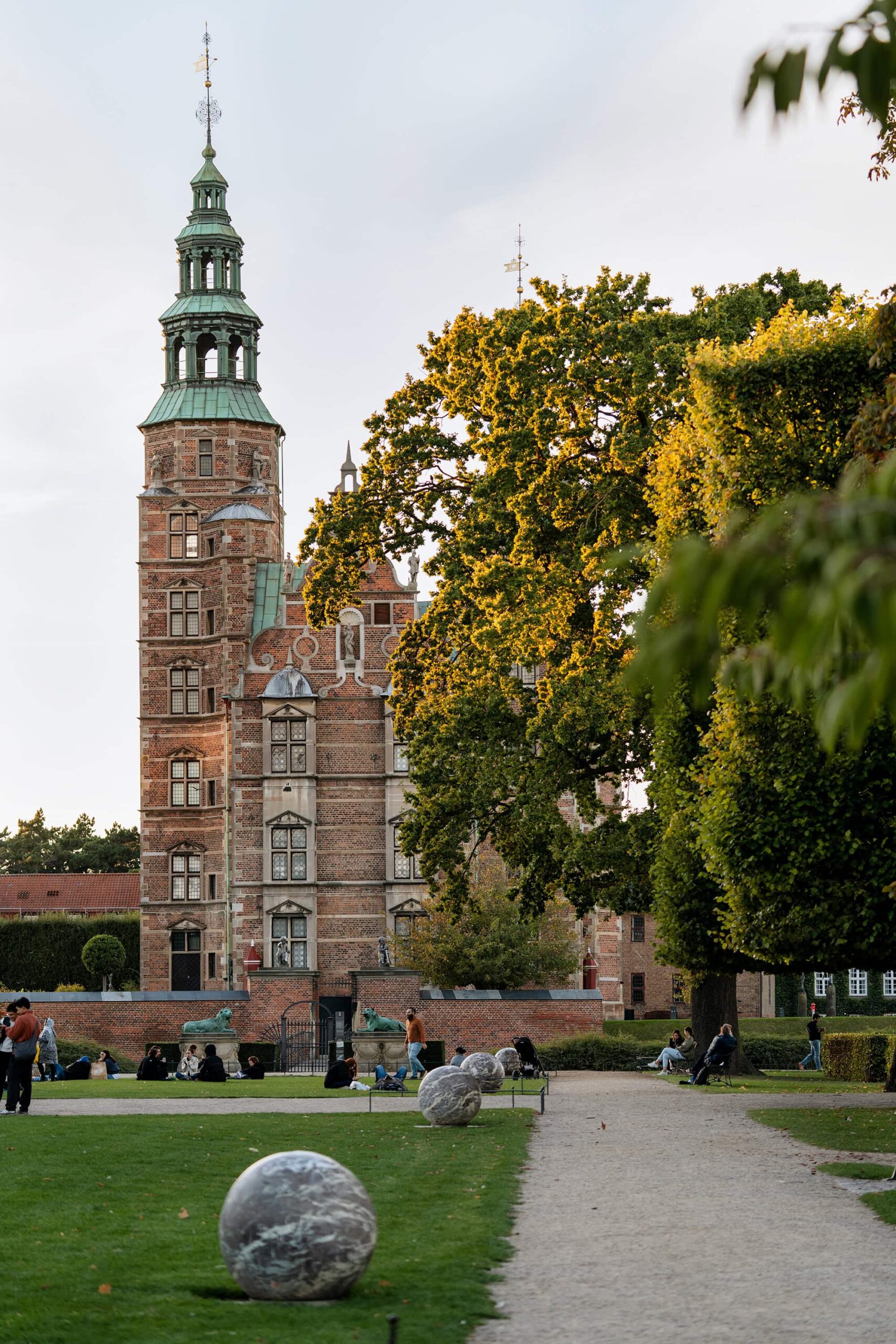
When destiny’s pen touched the soil of the North, Denmark’s story took shape amid wind and snow. This is a land of castle and garden, poetic as a dream, where happiness lies gentler than sunlight. Rich and poor stand nearer than before; society rests calm as the sea. And so they say it is “the happiest country in the world.” Yet even happiness hides its undertow. In the stillness of the night, the lonely are wrapped in silence – beneath tranquil waters lurk unseen currents. Depression lies there like hidden reefs, dwelling beneath tender waves of light – for even in paradise, the tears have their taste.
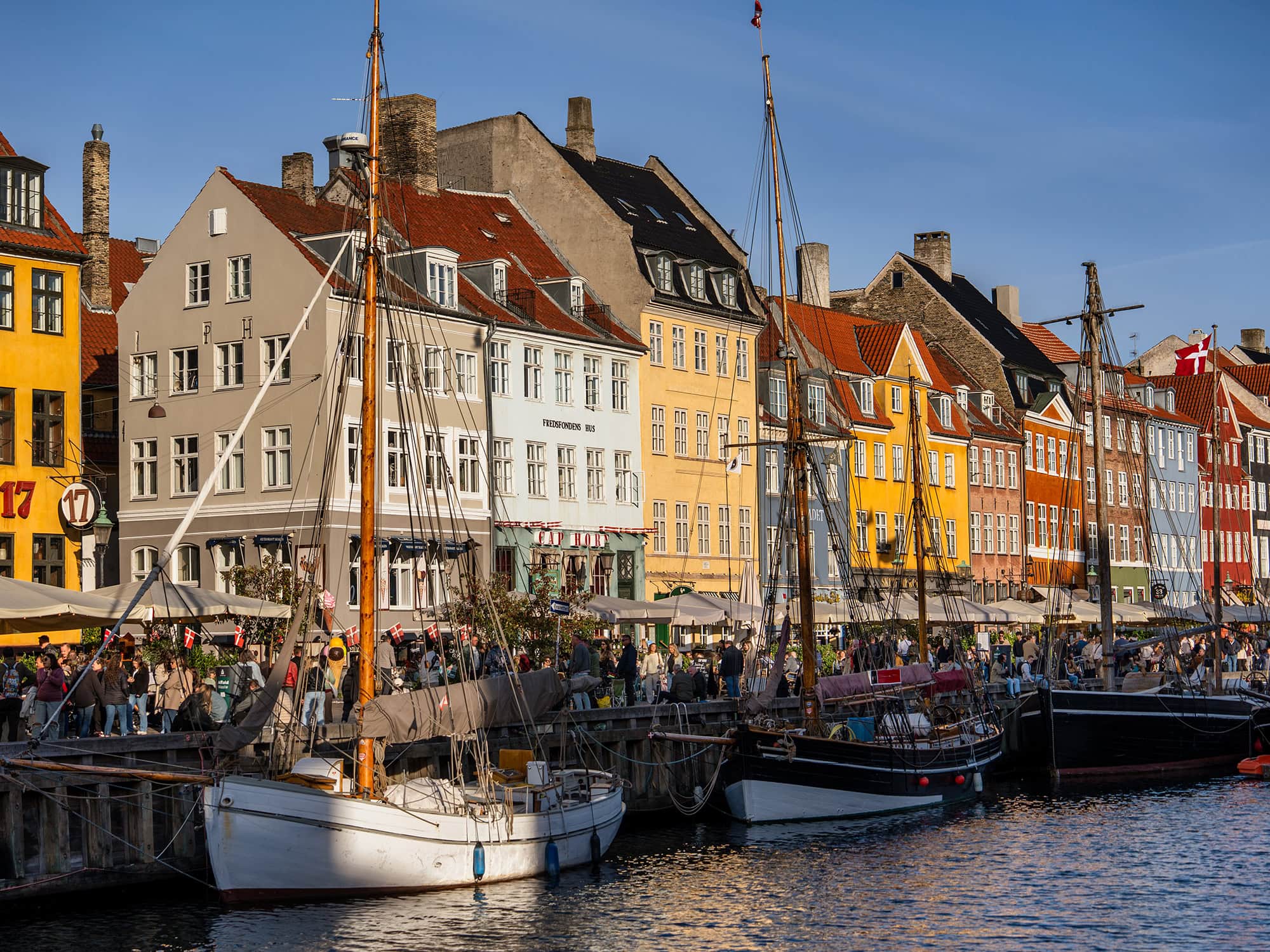
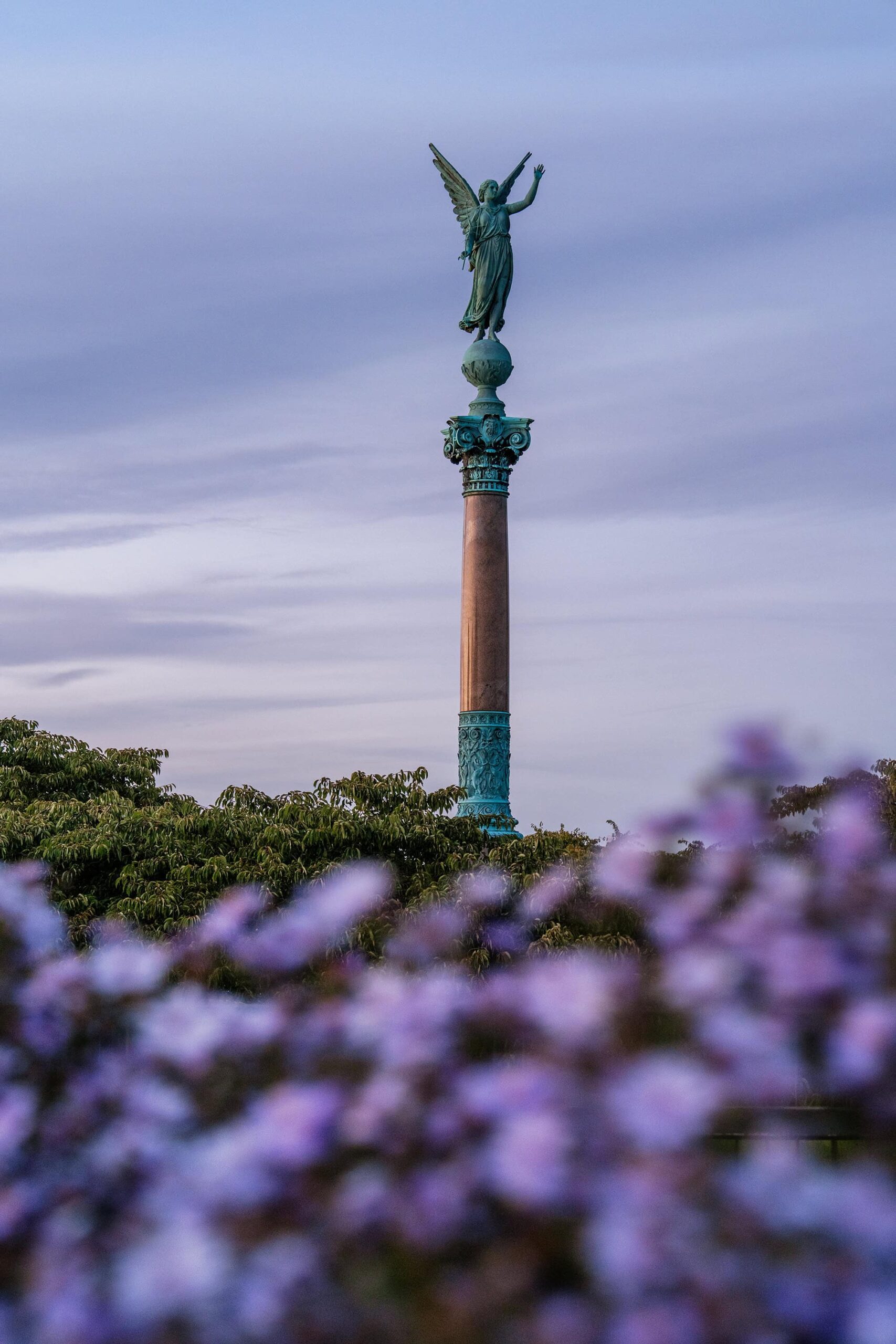
By the sea, the Little Mermaid remains wordless, watching the breath of the waves. She does not speak, yet it seems that an entire fairy tale glimmers within that single glint of salt. In the city’s corners, castles and palaces stand side by side; time grows moss upon their stones. Along the Nyhavn canal, the flow of people never ceases – colorful old houses flash beside jade‑green reflections, masts of wooden boats embroidering the air. The scent of ale drifts from the bars, laughter mingles with lamplight; dream and life dissolve into one another like mist. Amalienborg Palace stands still within the breath of the sea wind, its stone steps worn smooth by centuries of passage. On the square, the measured rhythm of the guards’ march beats out the echo of history; their solemn silhouettes merge with the city’s calm grandeur. The crowd gathers beyond the palace walls like a tide – perhaps not only for the monarchy, but for something deeper: the quiet longing to believe again, the enduring impulse to lift one’s gaze toward wonder.