Travel & Planning for New Destination Released. Free Shipping to Most Countries Around the World.
Free Shipping to Most Countries Around the World.
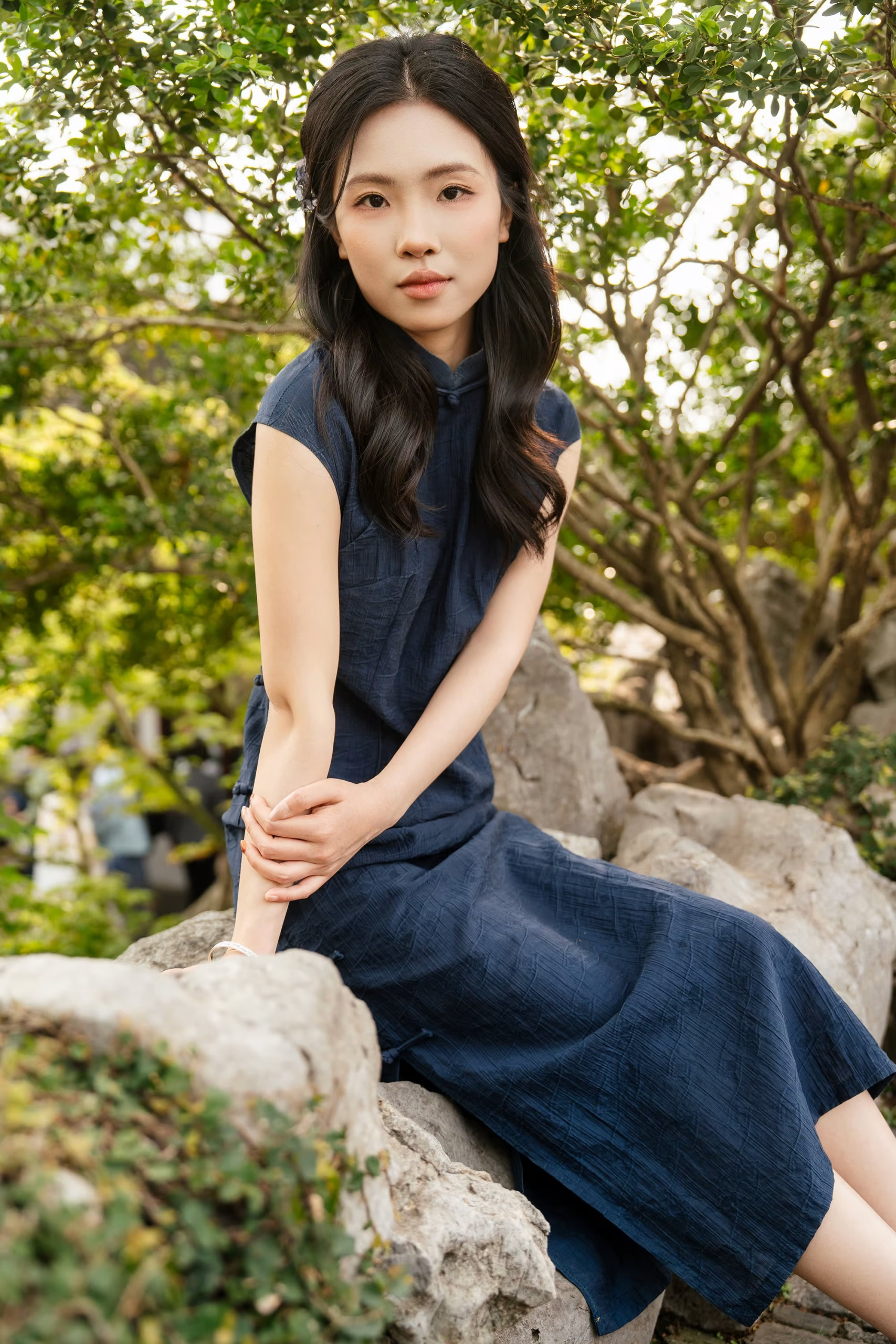
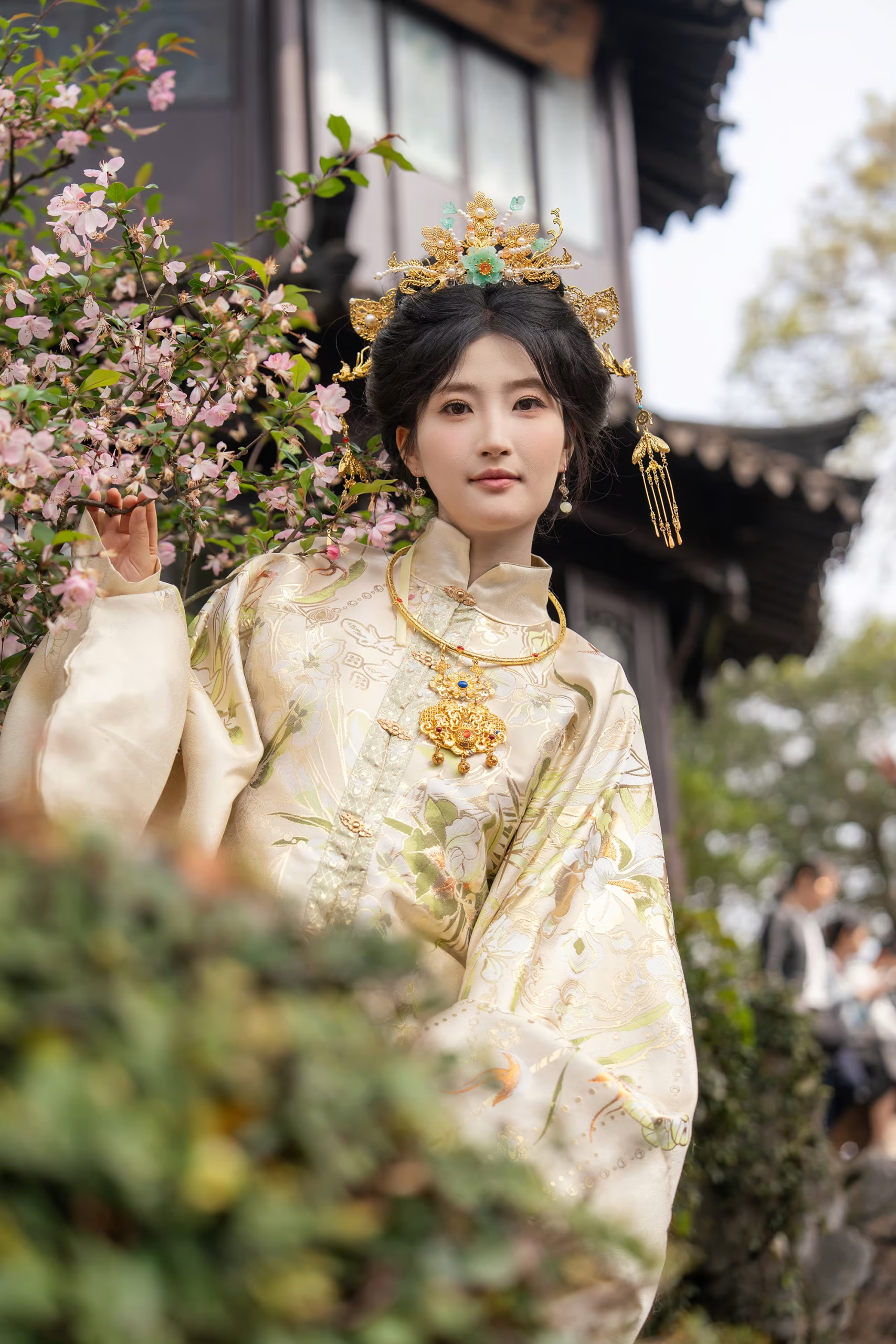
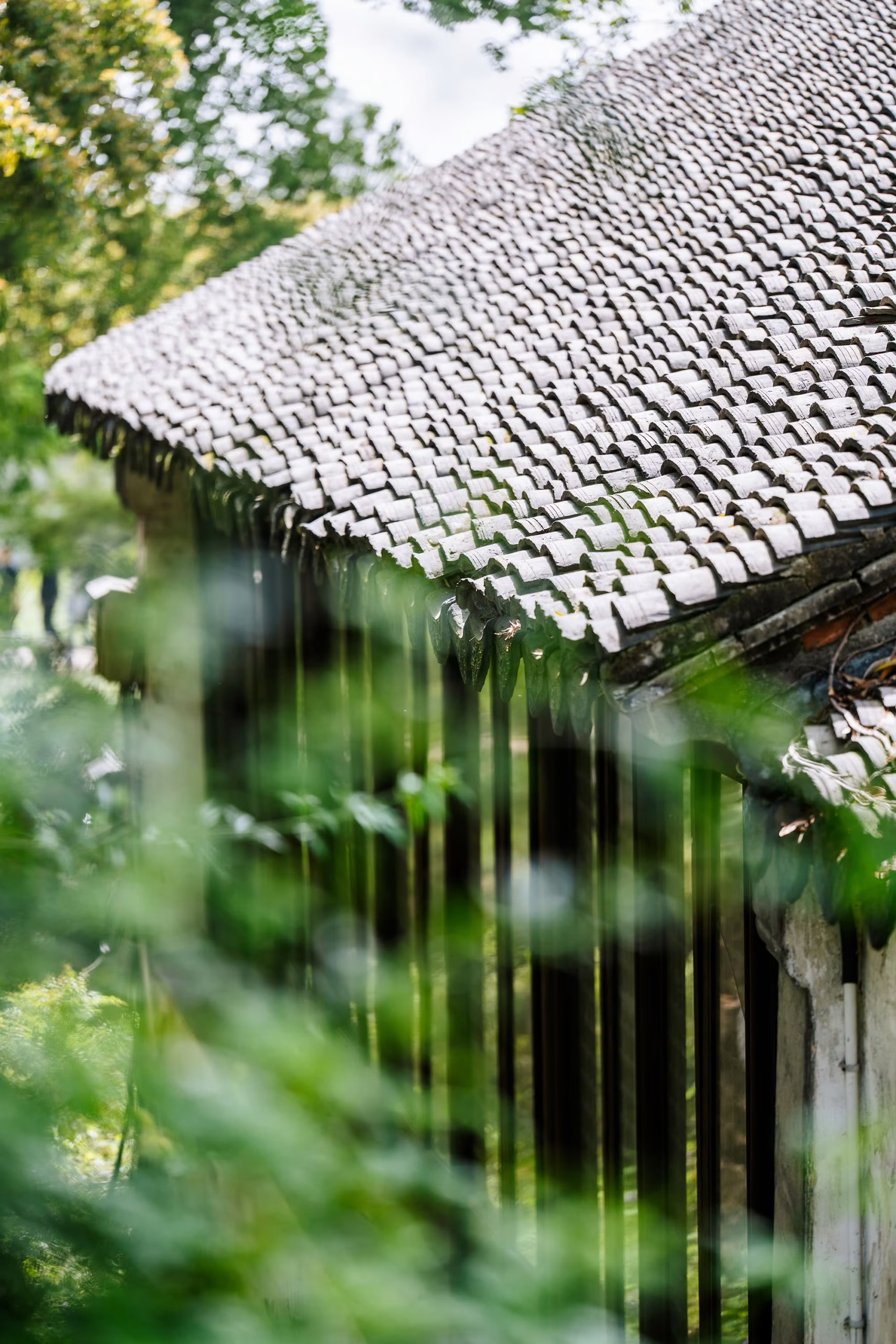
Suzhou is less a tourist destination and more an intoxicating spell cast upon the soul. Walking through its lanes feels like brushing against cool mist on a quiet morning, a sensation as smooth and elusive as fine silk. It possesses an ethereal beauty inherited from the Eastern Wu and the romantic Song Dynasty, not merely a collection of scenic spots but a city that is itself a magnified garden. It has preserved its 2,500-year-old essence of rivers and streets running in parallel, avoiding the grandiosity of other capitals to maintain a delicate, almost ghostly elegance that lingers in the mind beneath a slender silver moon.
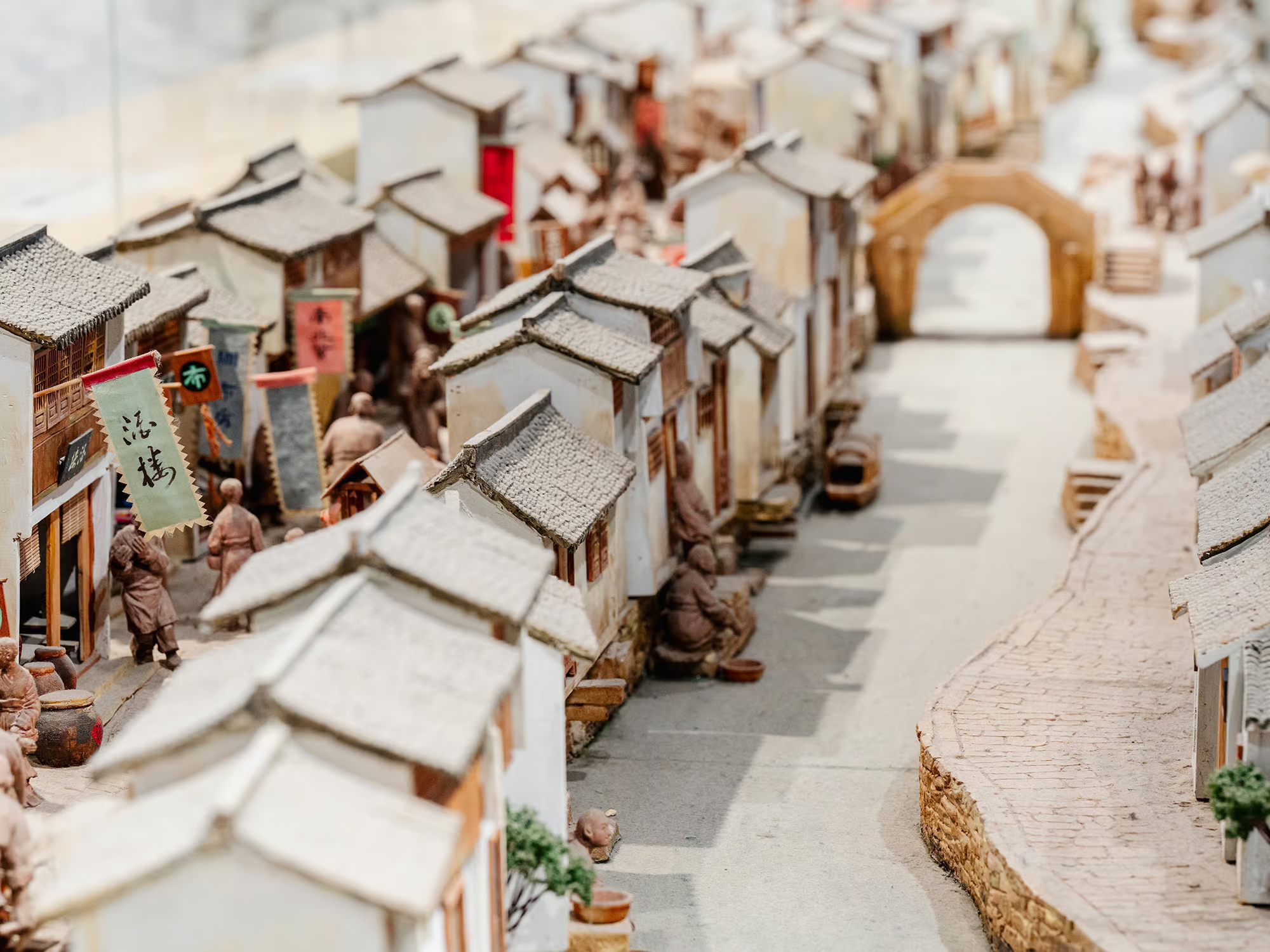
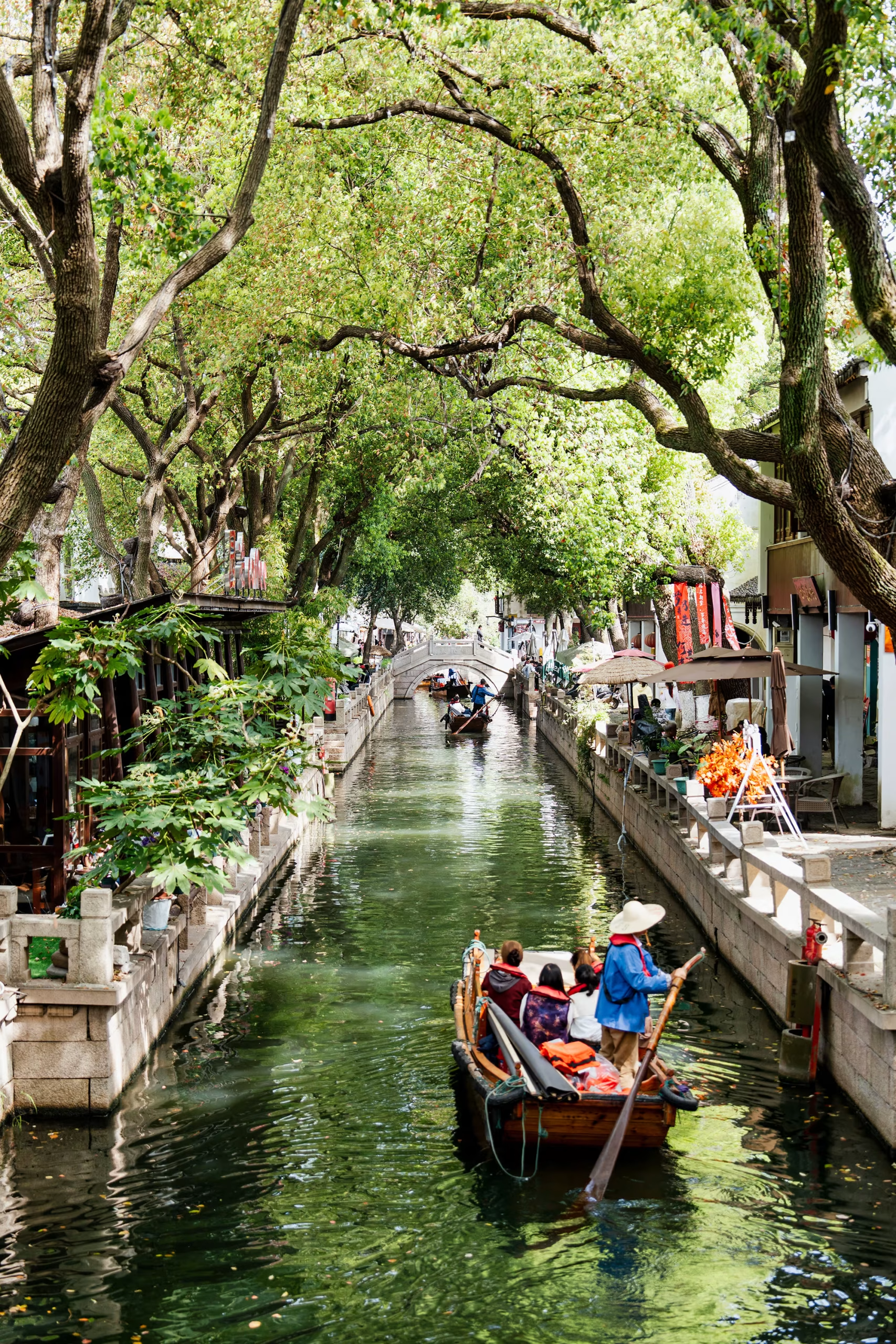
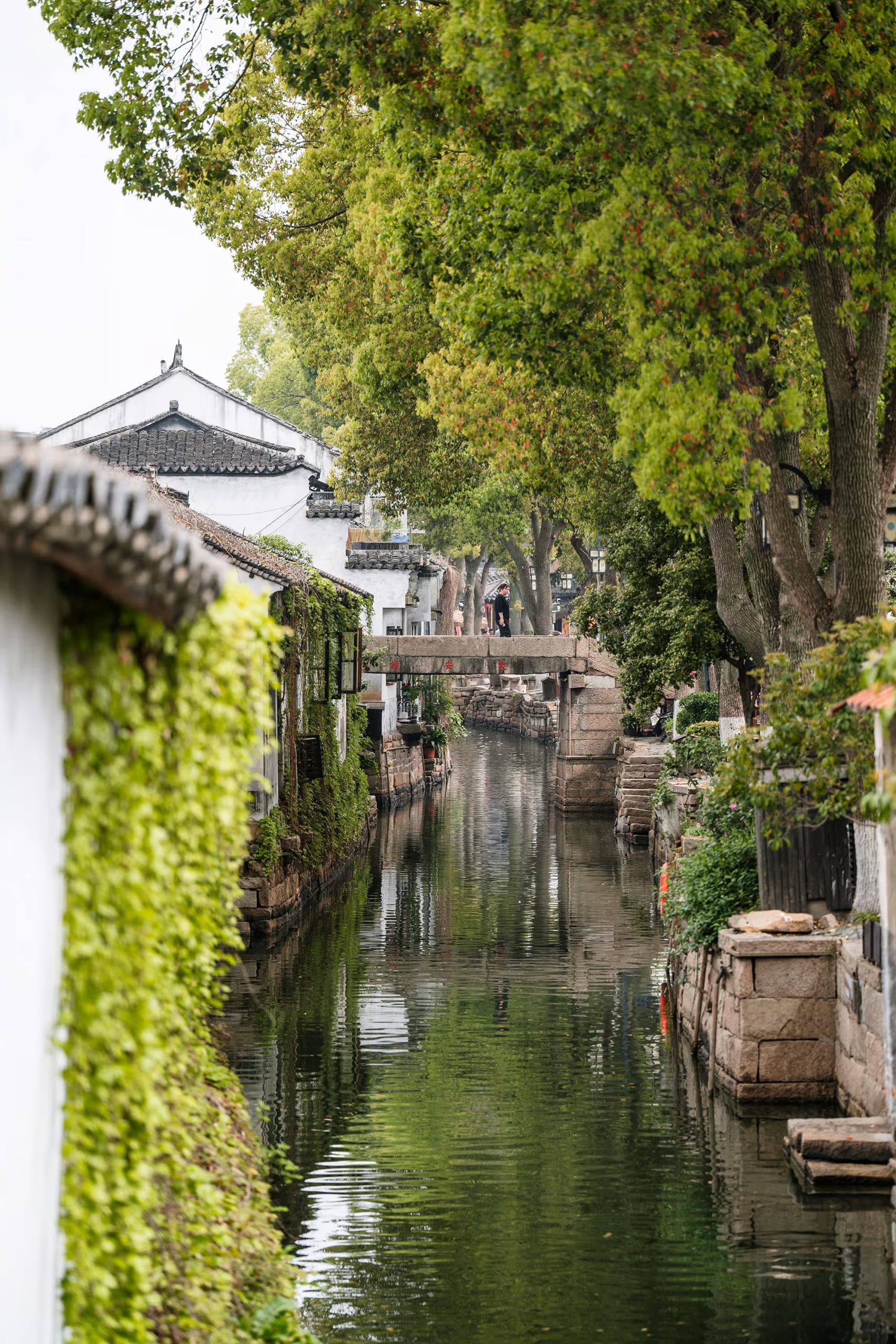
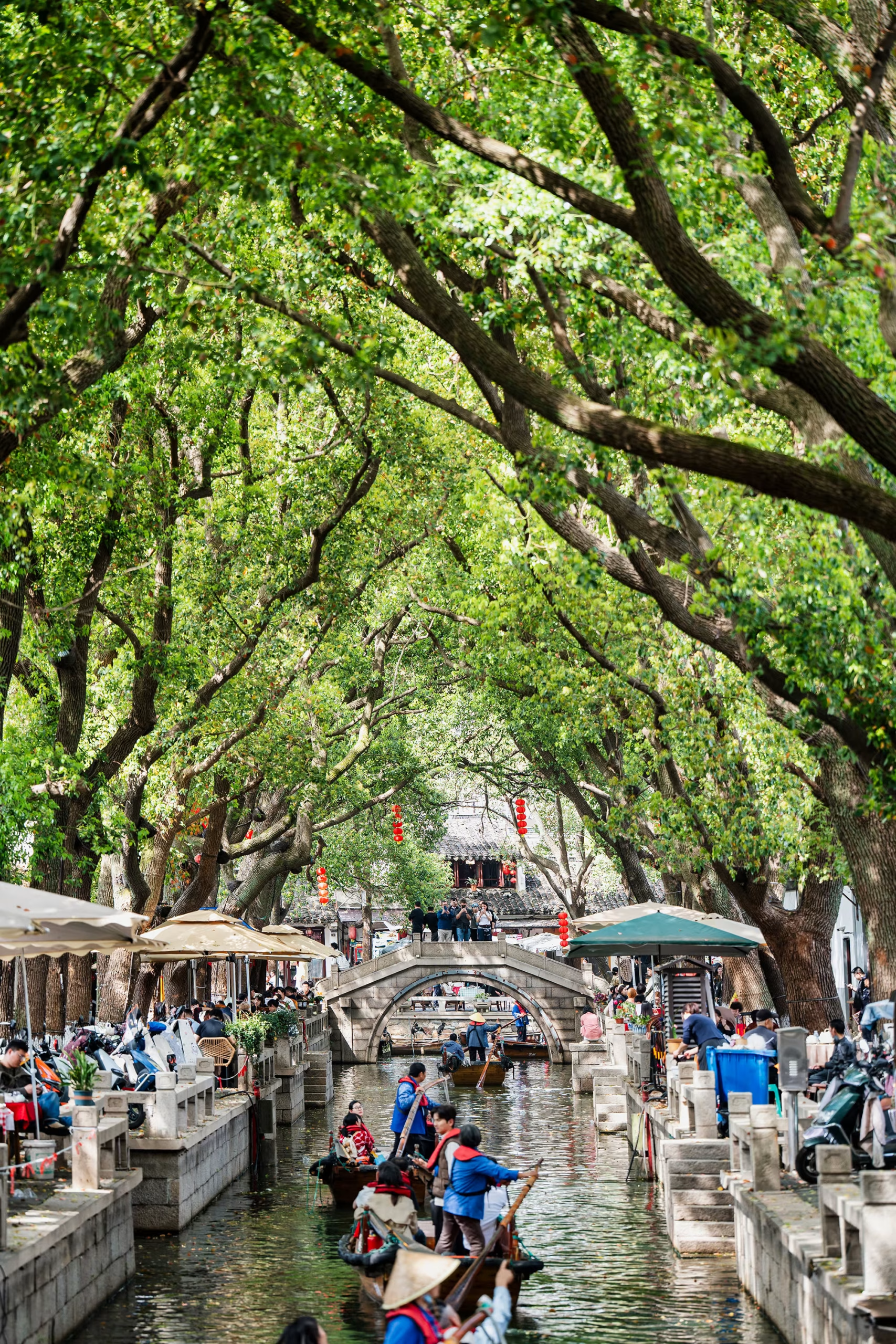
To truly see Suzhou, one must venture beyond the famous gates of the Humble Administrator’s Garden, Lingering Garden, Lion Grove, and Canglang Pavilion to find the city’s true pulse in its labyrinthine alleys. Experience the bustling energy of Shantang Street, where the river flows from Duoseng Bridge toward the leaning Tiger Hill Pagoda. This same refined sensibility extends to Tongli Ancient Town, where the Retreat and Reflection Garden, Gengle Hall, Mingqing Street, and the Tongli Wetland Park are cradled by fifteen rivers and forty-nine stone bridges.
The soul of Suzhou is found in the contrast between its poetic solitude and its warm earthly vitality. The stillness lives in the moonlit reflections on the Suzhou River, the Grand Canal, Lake Tai, and Yangcheng Lake, where the bell of Hanshan Temple on Gusu Mountain echoes like a sigh from a vanished dynasty. The warmth rises in the morning aroma of Shengjian buns, the crispy Wadisu and savory Zhuangyuan pork trotters of Tongli, and the sweetness of Osmanthus Fermented Rice served from a sculling boat. As you listen to the lilting cadences of Suzhou Pingtan or a boatwoman’s song drifting across the water, every encounter feels like a gift of fate. Step away from the crowds and rest in a rattan chair beneath the shade of an alley. Here, in the hidden grace of the Master of the Nets Garden or the winding corridors of the Garden of Cultivation, something in you quietly rises.
Suzhou is less a tourist destination and more an intoxicating spell cast upon the soul. Walking through its lanes feels like brushing against cool mist on a quiet morning, a sensation as smooth and elusive as fine silk. It possesses an ethereal beauty inherited from the Eastern Wu and the romantic Song Dynasty, not merely a collection of scenic spots but a city that is itself a magnified garden. It has preserved its 2,500-year-old essence of rivers and streets running in parallel, avoiding the grandiosity of other capitals to maintain a delicate, almost ghostly elegance that lingers in the mind beneath a slender silver moon.
To truly see Suzhou, one must venture beyond the famous gates of the Humble Administrator’s Garden, Lingering Garden, Lion Grove, and Canglang Pavilion to find the city’s true pulse in its labyrinthine alleys. Experience the bustling energy of Shantang Street, where the river flows from Duoseng Bridge toward the leaning Tiger Hill Pagoda. This same refined sensibility extends to Tongli Ancient Town, where the Retreat and Reflection Garden, Gengle Hall, Mingqing Street, and the Tongli Wetland Park are cradled by fifteen rivers and forty-nine stone bridges.
The soul of Suzhou is found in the contrast between its poetic solitude and its warm earthly vitality. The stillness lives in the moonlit reflections on the Suzhou River, the Grand Canal, Lake Tai, and Yangcheng Lake, where the bell of Hanshan Temple on Gusu Mountain echoes like a sigh from a vanished dynasty. The warmth rises in the morning aroma of Shengjian buns, the crispy Wadisu and savory Zhuangyuan pork trotters of Tongli, and the sweetness of Osmanthus Fermented Rice served from a sculling boat. As you listen to the lilting cadences of Suzhou Pingtan or a boatwoman’s song drifting across the water, every encounter feels like a gift of fate. Step away from the crowds and rest in a rattan chair beneath the shade of an alley. Here, in the hidden grace of the Master of the Nets Garden or the winding corridors of the Garden of Cultivation, something in you quietly rises.

More than sightseeing: slow down, hear the stories, feel the soul of China. From just $60/hour for an all‑inclusive guided tour.
We use cookies to optimize your experience, analyze usage, and personalize content. Your continued browsing indicates consent to our cookie usage and the sharing of site interaction data with our marketing and analytics partners.