Travel & Planning for New Destination Released. Free Shipping to Most Countries Around the World.
Free Shipping to Most Countries Around the World.
This museum was designed by architect Liu Jiakun, a winner of the Pritzker Architecture Prize. It houses 1,439 imperial “gold bricks” from the Ming and Qing dynasties. Most of them were produced in Lumu, in Xiangcheng District of Suzhou, Jiangsu Province. In those days Lumu was an imperial kiln site dedicated to making floor bricks for the royal palaces, so these bricks are also known as Lumu Gold Bricks. Each brick is stamped with the kiln’s information, the overseeing and supervising officials and the year of production. You could think of them as a kind of high end custom building material in ancient times.
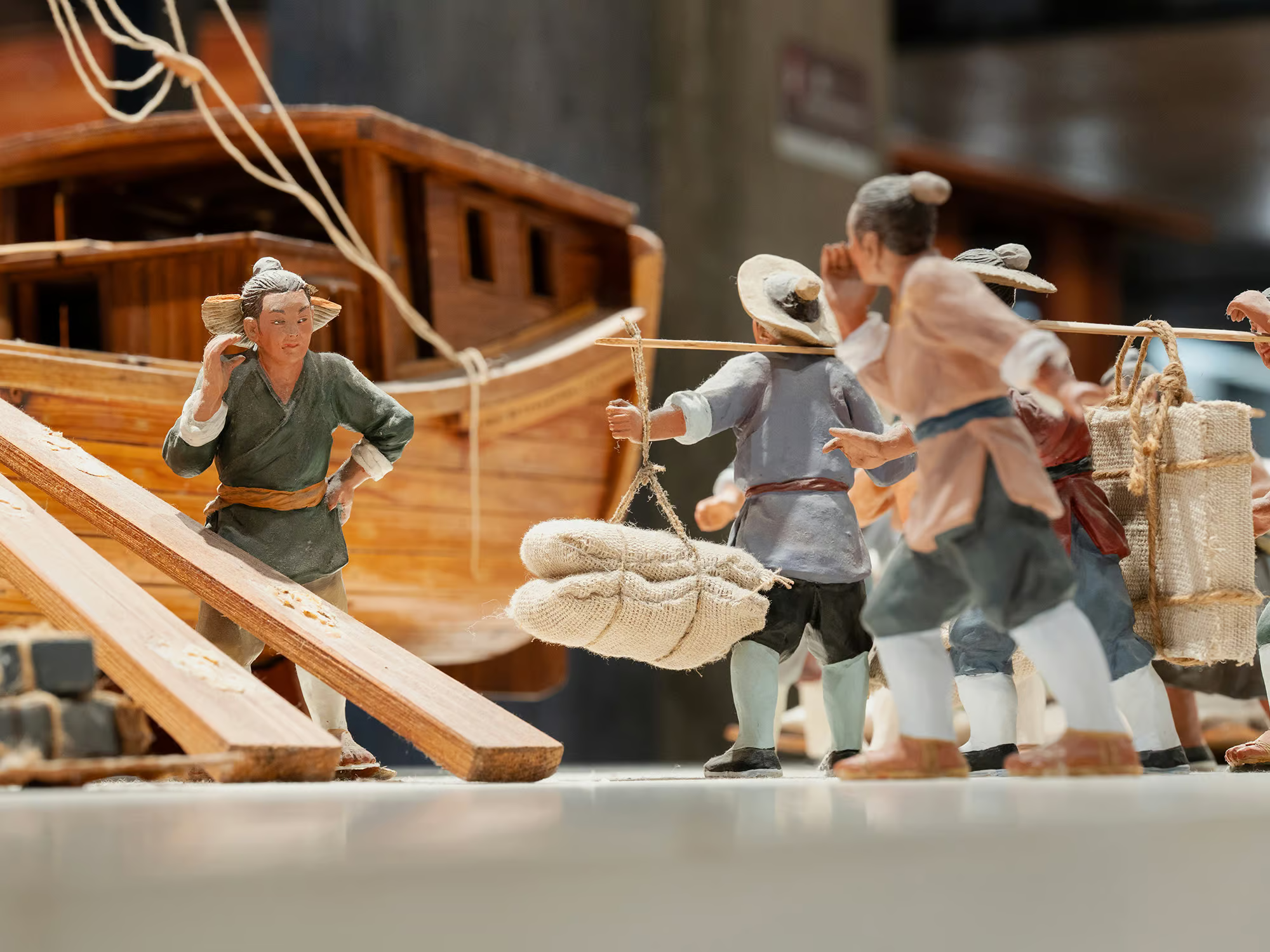
The main building is divided into three exhibition halls. In the first one the floor is covered in yellow clay and a timeline guides you through how a lump of earth gradually becomes a finished brick. The second hall features a transport boat in the center and explains how the bricks were shipped from Xiangcheng to Beijing along the Grand Canal. The third hall presents long arrays of gold bricks, bringing together the imperial floor bricks used exclusively by Ming and Qing royalty. Here you can see where these bricks were laid in the palace and what roles they played. If you have visited the Forbidden City you may have heard guides mention that the smooth, gleaming floors there are paved with these very bricks. Inside the museum there are also wooden structural models of the three spectacular halls of the Forbidden City. One surprising detail is that the side of the main entrance is actually a marriage registration office. Jiangsu is clearly going all in on boosting its birth rate. They even offer late night registration services on the traditional “Twenty Four Solar Terms” dates.
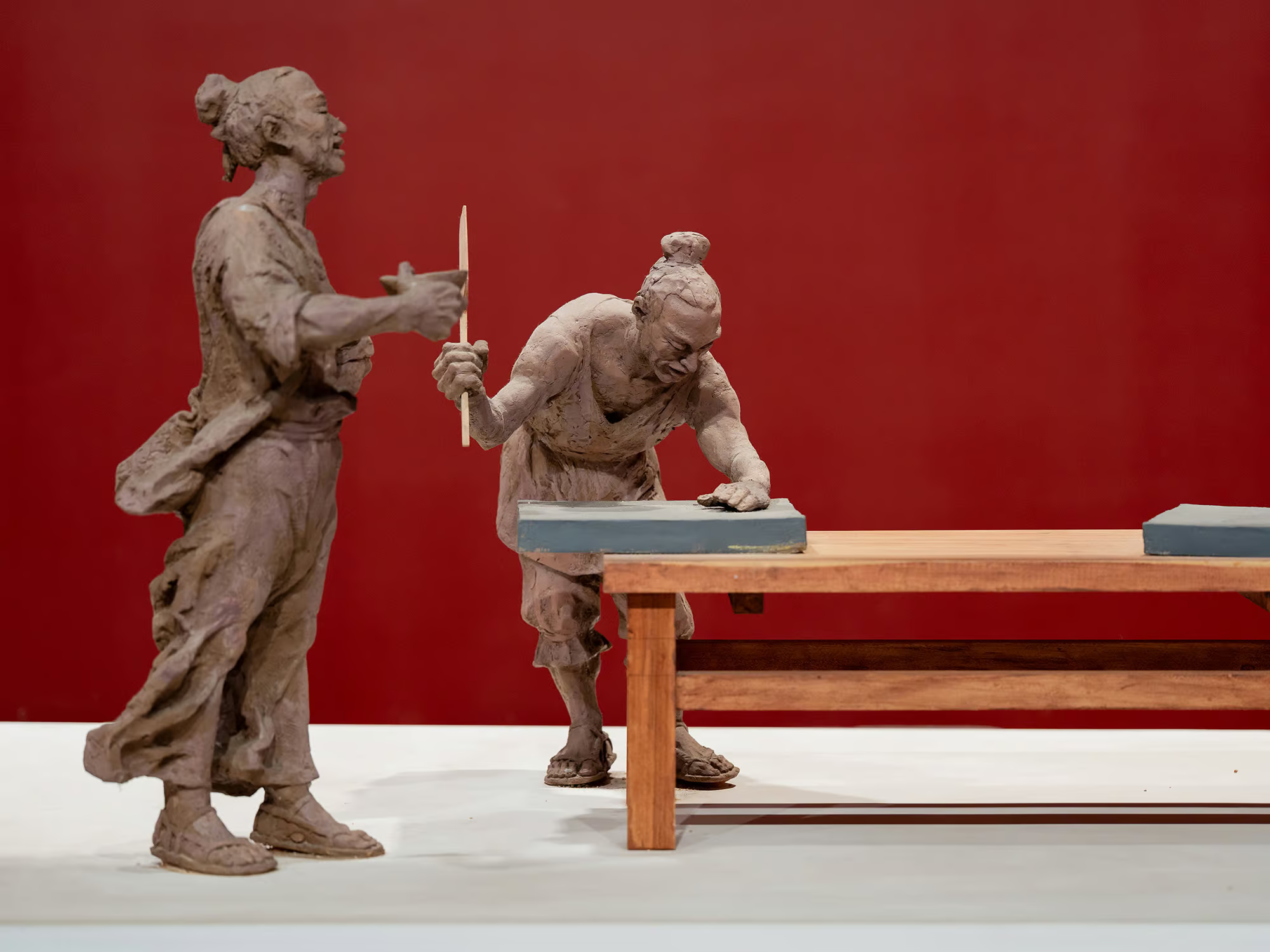
The firing process of the gold brick is extremely demanding. A full firing cycle takes around one hundred and thirty days. First the bricks are smoked over rice chaff for a month, then fired with split wood for another month, followed by a month of firing with rice straw, and finally forty days with pine branches. The entire process embodies the five elements. Earth and water are used to form the brick body, which is then fired again and again with wood and fire. The result is a brick that is dense and free of air holes and that rings like metal when struck. Even before firing the preparation is very intricate, involving soil selection, clay refining and shaping of the raw bricks.
The cultural and creative experience center lets visitors get close to this national level intangible cultural heritage. You can make your own small grayish blue “gold brick” by hand. The center also develops and sells creative products with Suzhou characteristics. Directly opposite, you can see the Sister Kiln, the best preserved among the many old kilns that once operated here. They maintain their original form, including the firing chamber, chimney and water infiltration pools. They are still capable of producing gold bricks today and stand as living relics.
We use cookies to optimize your experience, analyze usage, and personalize content. Your continued browsing indicates consent to our cookie usage and the sharing of site interaction data with our marketing and analytics partners.