Travel & Planning for New Destination Released. Free Shipping to Most Countries Around the World.
Free Shipping to Most Countries Around the World.
The Forbidden City of China is divided into the Outer Court and the Inner Court, which together formed the heart of the imperial court. At the centre of the Outer Court are the Hall of Supreme Harmony, the Hall of Central Harmony, and the Hall of Preserving Harmony. Collectively known as the Three Great Halls, they were used for major state ceremonies and government affairs.
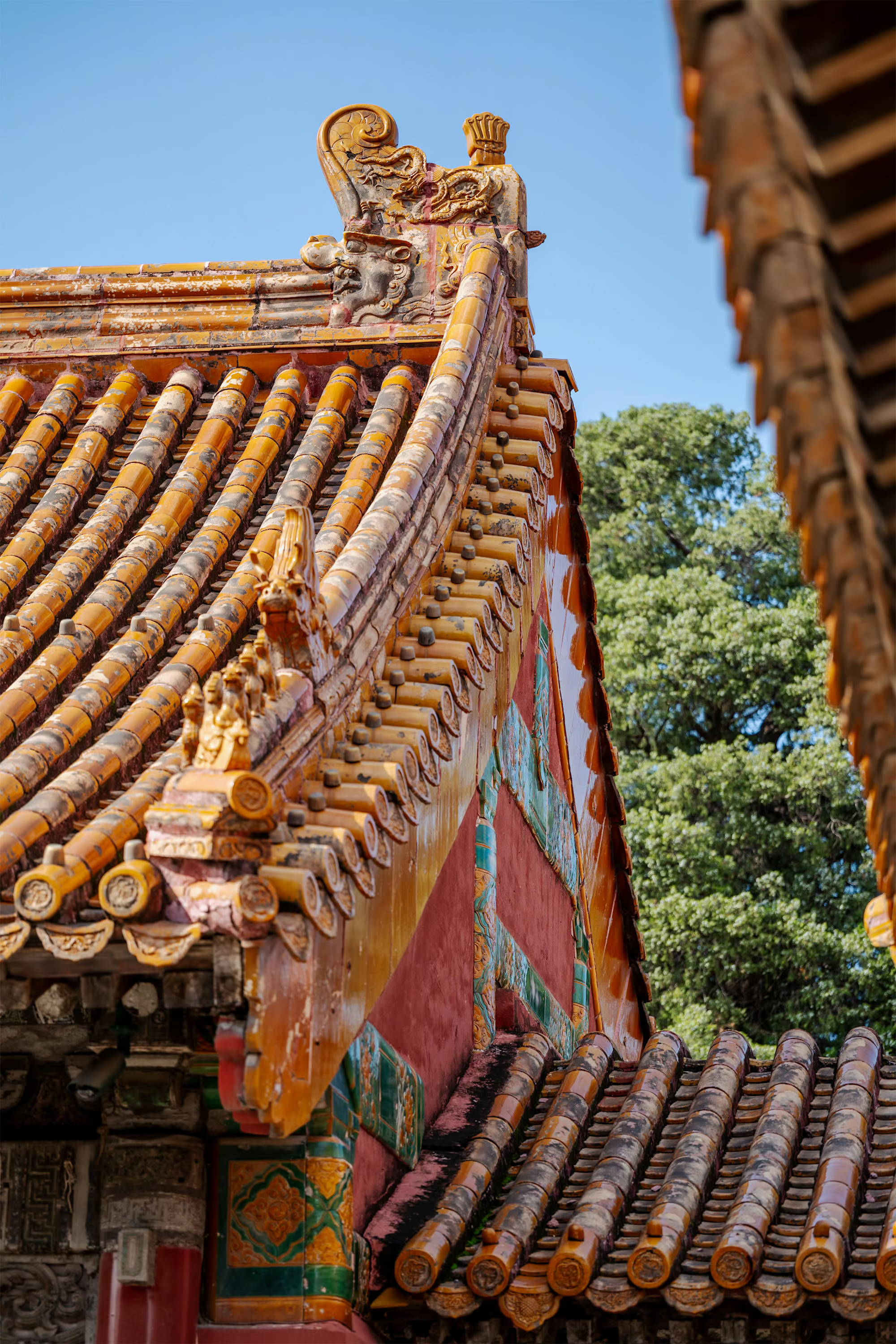
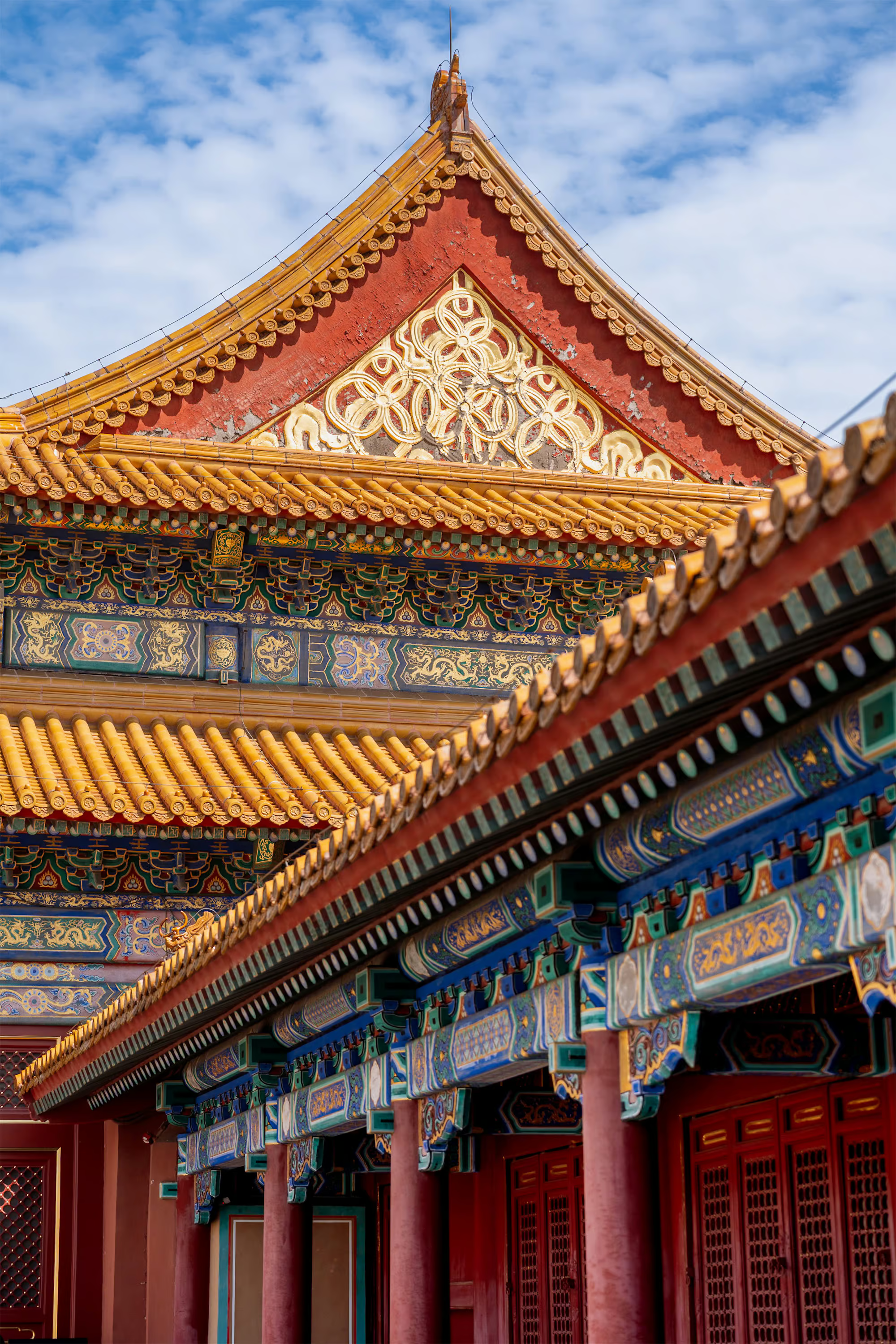
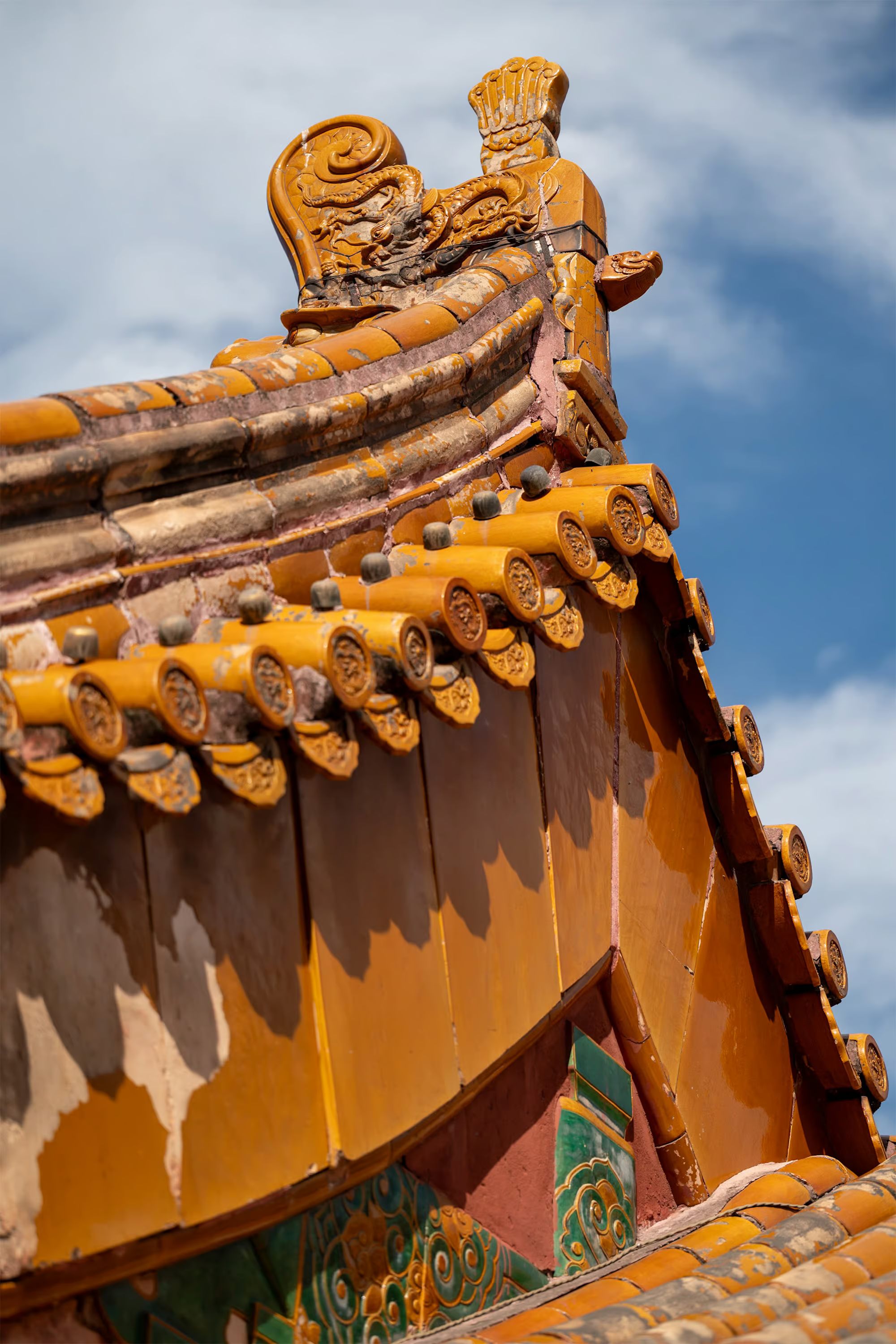
I visited during the final days of the summer holiday, when the palace was packed with families and children. With the crowds everywhere, I could only focus on photographing the architectural details of the Ming and Qing dynasties. One particularly interesting feature is the row of ten ridge beasts on the Hall of Supreme Harmony, the largest number found on any building in the Forbidden City. They represent the dragon, phoenix, lion, heavenly horse, sea horse, yayu, xiezhi, suanni, douniu, and hangshi. At either end stand an immortal riding a phoenix and a larger corner beast.
The centre of the Inner Court consists of the Palace of Heavenly Purity, the Hall of Union, and the Palace of Earthly Tranquillity. Together, they are known as the Three Rear Palaces and served as the principal residences of the emperor and empress. To their east and west are the Eastern Six Palaces and Western Six Palaces, the origin of the traditional expression “three palaces and six courtyards.”
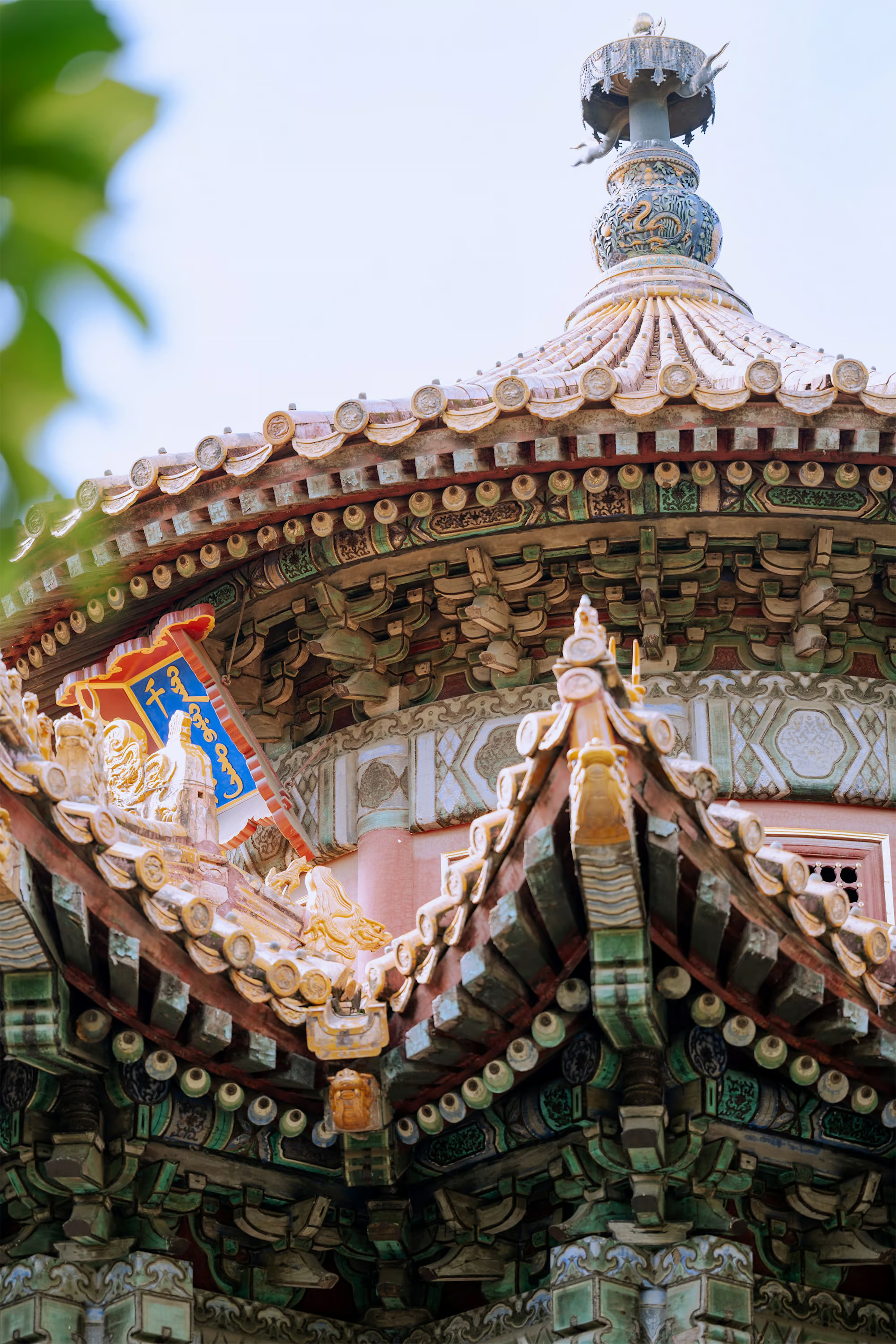
Continue north from the Three Rear Palaces and you will reach the Imperial Garden. The second photo was taken there. It was once where the emperor and his consorts relaxed and enjoyed the flowers. Farther north is the Gate of Divine Prowess. I recommend entering The Palace Museum from the south and leaving through this northern gate. Jingshan Park is directly across the road.
If you can plan about two weeks ahead, try booking the tickets yourself. If not, it may be easier to purchase a ticket package through a third-party reseller. I booked the National Museum of China and the Palace Museum together for just over RMB 500, only four days in advance. When booking your Forbidden City Beijing ticket, I also recommend adding admission to the Treasure Gallery, as you will need a separate ticket to enter and see the Nine-Dragon Wall. It is best to avoid entering through Qianmen and Tiananmen, as the security checks there are particularly complicated and the queues can take a very long time. There are three security checkpoints, and your bags may be searched thoroughly. Taking a taxi to the area near Donghua Gate is usually much faster.
After walking for a while, the first truly magnificent gate tower you will encounter is the Meridian Gate, also known as the Five-Phoenix Tower. It is the main entrance to the Forbidden City and has three central gateways. Only the emperor could pass freely through the central gateway. Exceptions were made for the empress’s bridal procession and for the top three candidates in the imperial examination, namely the zhuangyuan, bangyan, and tanhua, who were allowed to leave through it. The left gateway was used by civil and military officials, while the right was reserved for members of the imperial family.
Important tips: Do not bring a power bank with a capacity exceeding 20,000 mAh, or you may be required to leave it in storage. Tripods of any kind are also prohibited.
We use cookies to optimize your experience, analyze usage, and personalize content. Your continued browsing indicates consent to our cookie usage and the sharing of site interaction data with our marketing and analytics partners.