Travel & Planning for New Destination Released. Free Shipping to Most Countries Around the World.
Free Shipping to Most Countries Around the World.
Revering Heaven: Temple of Heaven Park, Beijing
This was my second visit. As a kid, the Hall of Prayer for Good Harvests left the biggest impression on me (it’s the grand round building that shows up in almost every photo of the Temple of Heaven), and I didn’t remember there being so much else to explore. When I looked it up, I was surprised to learn the park covers 273 hectares, even larger than the Forbidden City. This time I spent a good three hours wandering, which makes it one of the best things to do in Beijing if you have half a day. Even President Trump toured the grounds this May.
The site was originally called the Temple of Heaven and Earth, used for worshipping both. In 1530 the two rituals were separated, and it was renamed the Temple of Heaven. The main buildings and their roles include: the Hall of Prayer for Good Harvests, where the emperor prayed for a good harvest each early spring; the Circular Mound Altar, where heaven was worshipped at the winter solstice; the Hall of Abstinence (Zhaigong), where the emperor stayed before and after ceremonies; the Long Corridor of 72 bays, the passage used to carry sacrificial offerings; the Imperial Vault of Heaven, which housed the spirit tablets; and the Divine Music Administration, where ritual music and dance were rehearsed and performed.
Let’s start with Beijing’s signature landmark, the Hall of Prayer for Good Harvests, which is full of cosmic symbolism. Four central Dragon Well pillars hold up the top eave and stand for the four seasons. Around them, 12 red lacquered pillars support the second eave and represent the 12 months. The outer ring of 12 pillars supports the 3rd-layer eave and stands for the 12 two hour periods of the traditional day. Together the two rings make 24, matching the 24 solar terms, and adding the four Dragon Well pillars gives 28, for the 28 lunar mansions. Add the 8 short pillars on the beams and you reach 36, symbolizing the 36 Heavenly Stars.
The raised walkway leading to the hall is called the Danbi Bridge, and it has three lanes. Don’t walk down the middle one: it was reserved for the gods and Heaven itself, and not even the emperor dared use it. Ordinary visitors stick to the sides. A tip for the ladies: don’t wear heels for a long day here or you’ll barely be able to walk. If you want great photos, go for it, but pack a pair of sneakers.
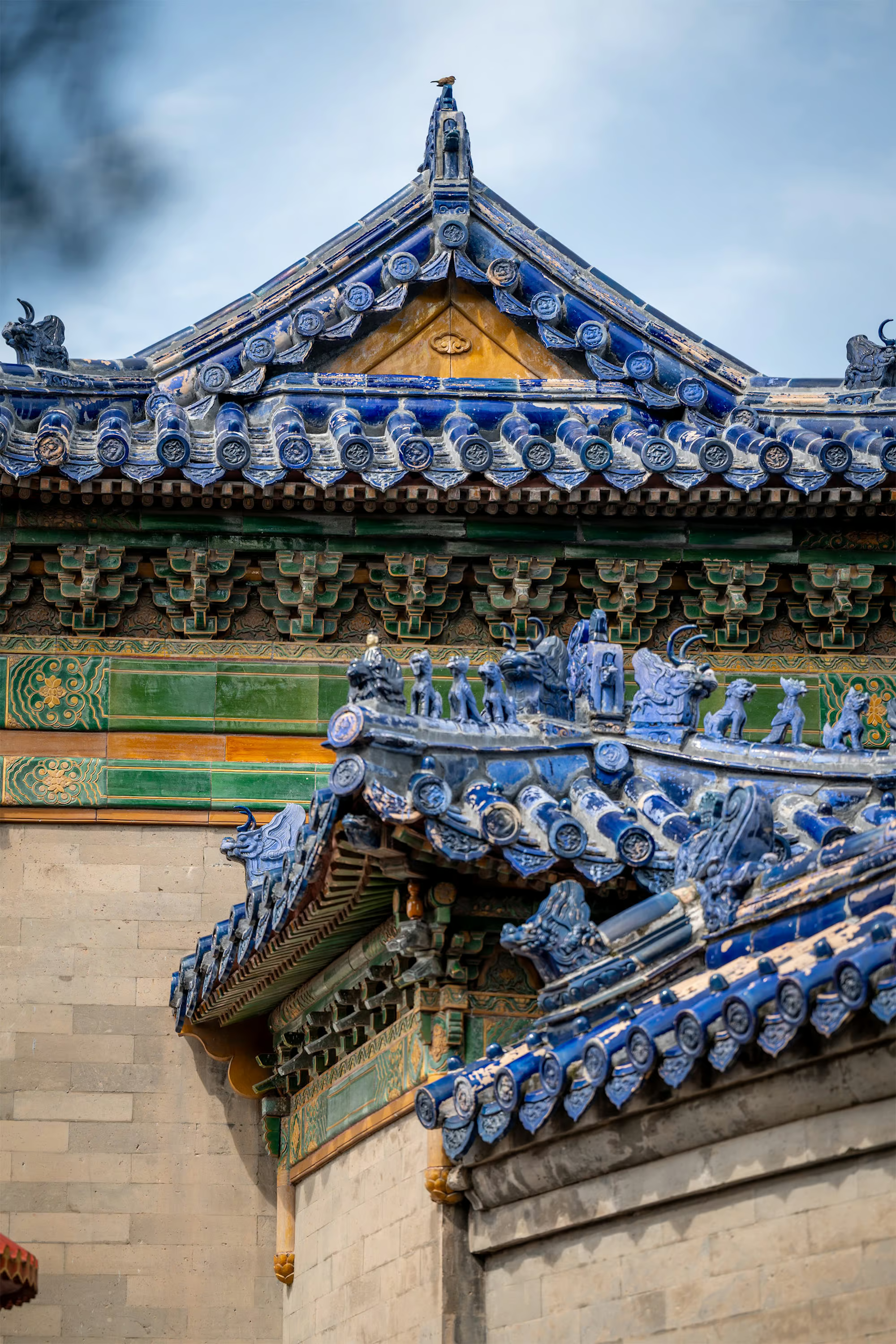
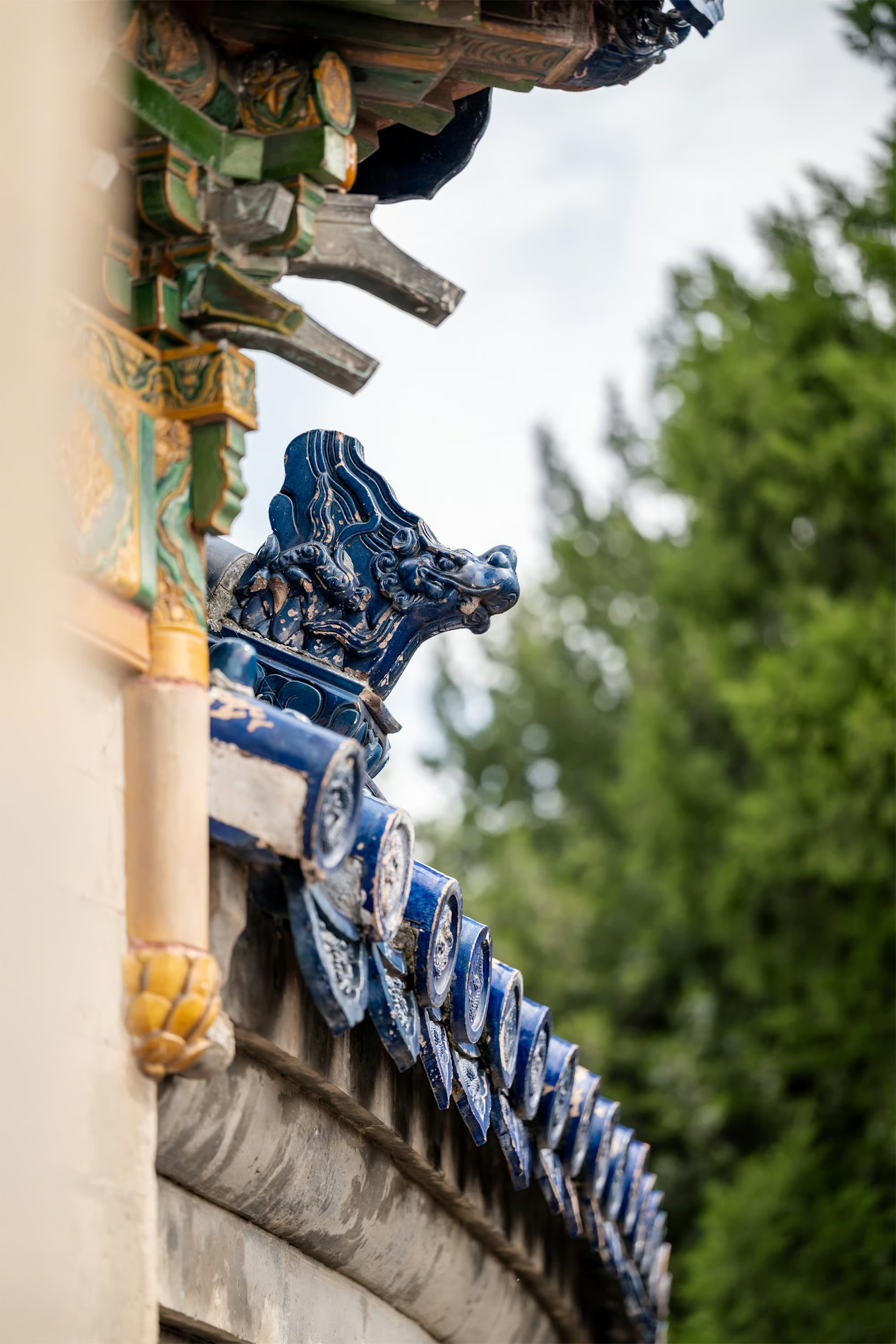
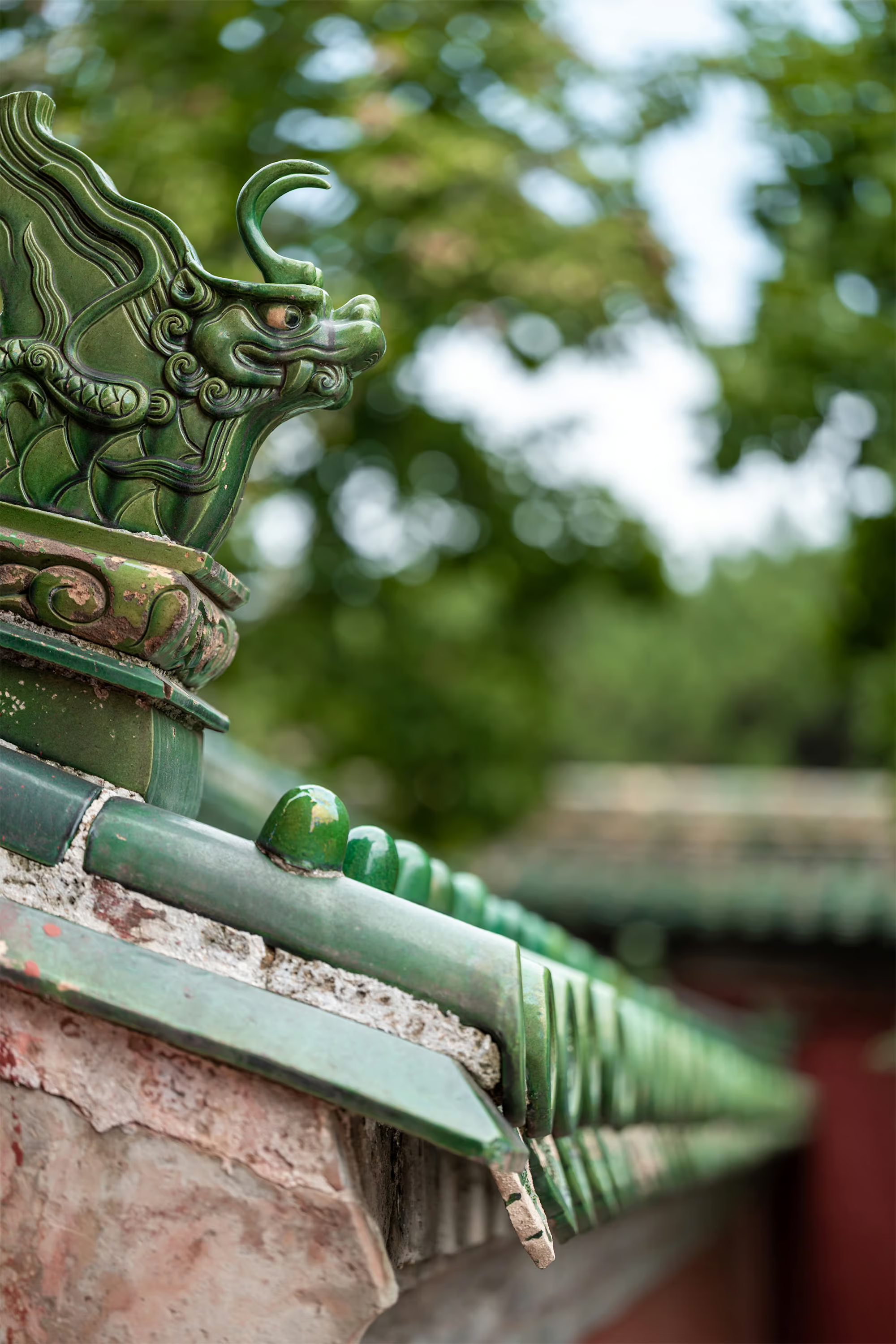
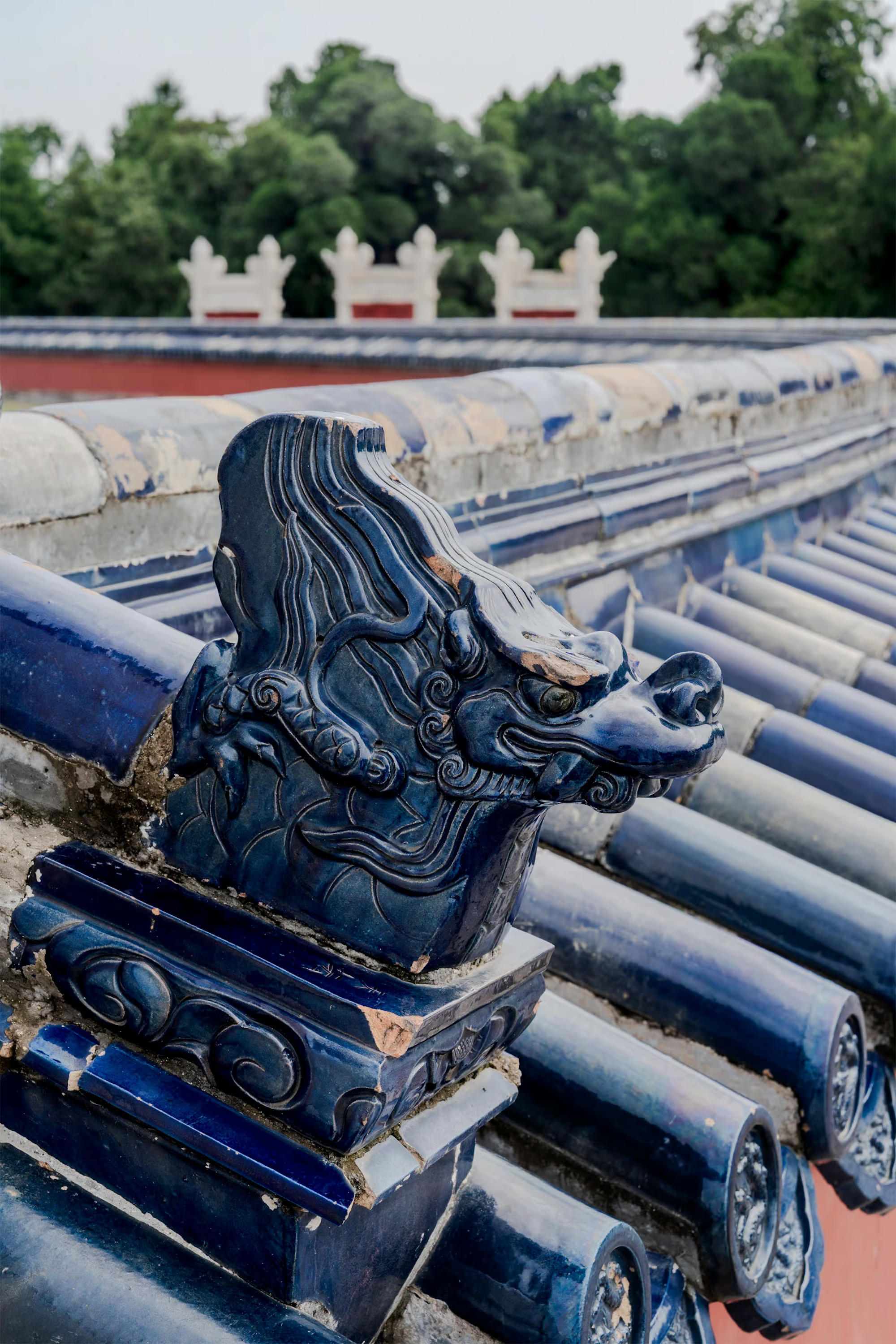
Sharp eyed visitors may notice that some roofs here are blue and some are green, unlike the Forbidden City. Imperial buildings usually pair yellow roofs with red walls, but here blue represents the sky, a gesture of reverence to Heaven and the gods, while green represents life and growth. The park is full of ancient trees, with whole groves 600 to 800 years old, and the tags hanging on them tell you their age; green tags mark trees under 300 years. It’s also a favorite morning workout spot for local seniors. You’ll see people jogging, kicking shuttlecocks and practicing tai chi, all of them full of life.
We use cookies to optimize your experience, analyze usage, and personalize content. Your continued browsing indicates consent to our cookie usage and the sharing of site interaction data with our marketing and analytics partners.