Travel & Planning for New Destination Released. Free Shipping to Most Countries Around the World.
Free Shipping to Most Countries Around the World.
Tucked away in the heart of Ningbo’s Yinzhou District lies Qita Temple, also known as the Seven Pagodas Temple—a centuries-old Chan (Zen) Buddhist sanctuary and one of the four great monastic complexes of eastern Zhejiang. Officially opened to the public in 1983 with approval from China’s State Council, this temple has offered spiritual solace since the Tang Dynasty (618–907 CE).
The temple entrance welcomes visitors with three complimentary incense sticks and features an ornate, 8.8-meter-high, 11.5-meter-wide gateway. Above the main entrance, golden characters reading “Qita Chan Temple” shine brilliantly—handwritten by the renowned Buddhist layman Zhao Puchu. The side entrances bear historic names: “Dongjin Chan Academy” and “Qixin Hermitage.” Stone lions guard the base, while lotus motifs crown the top, lending an air of elegance and solemnity.
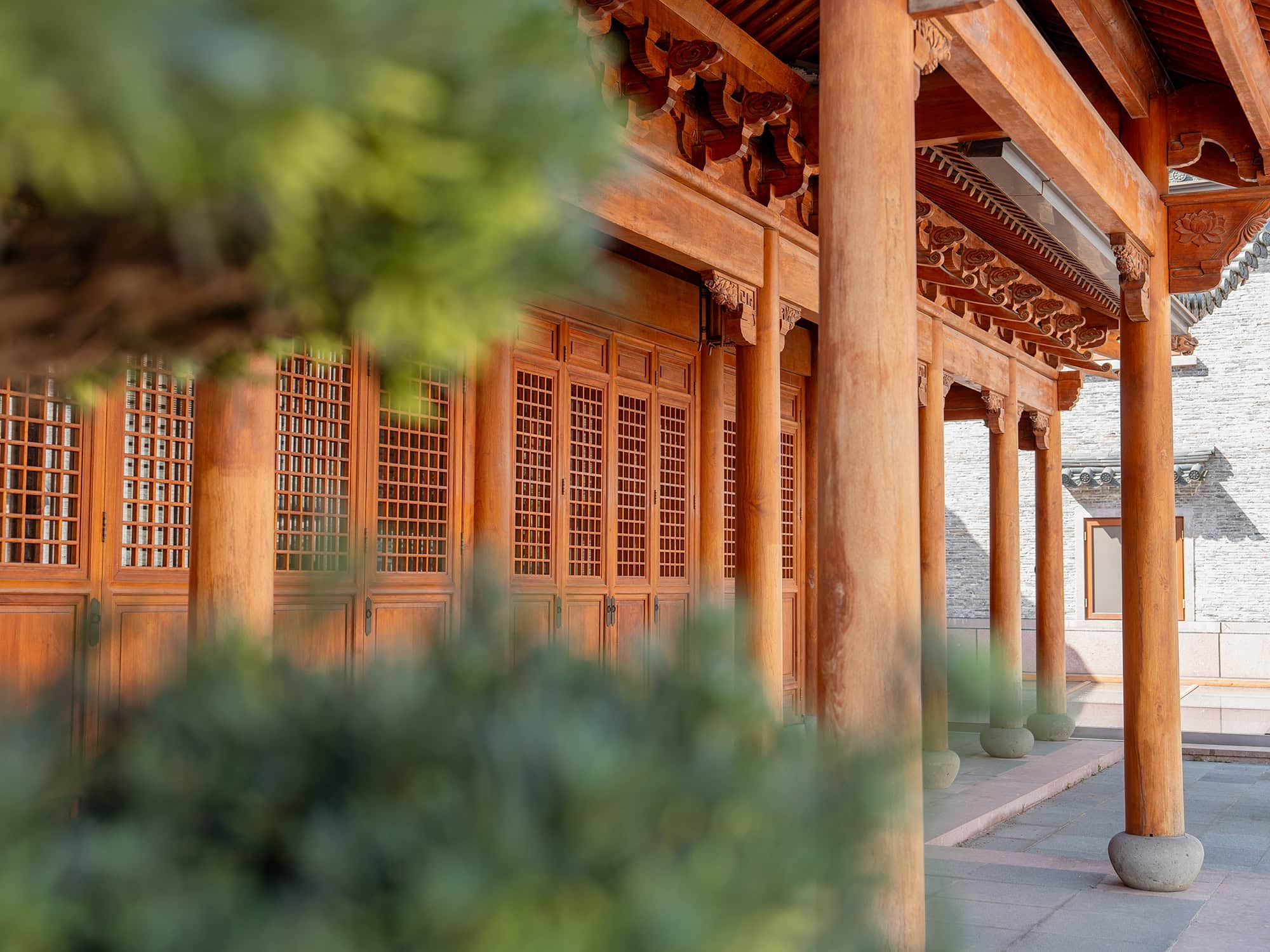
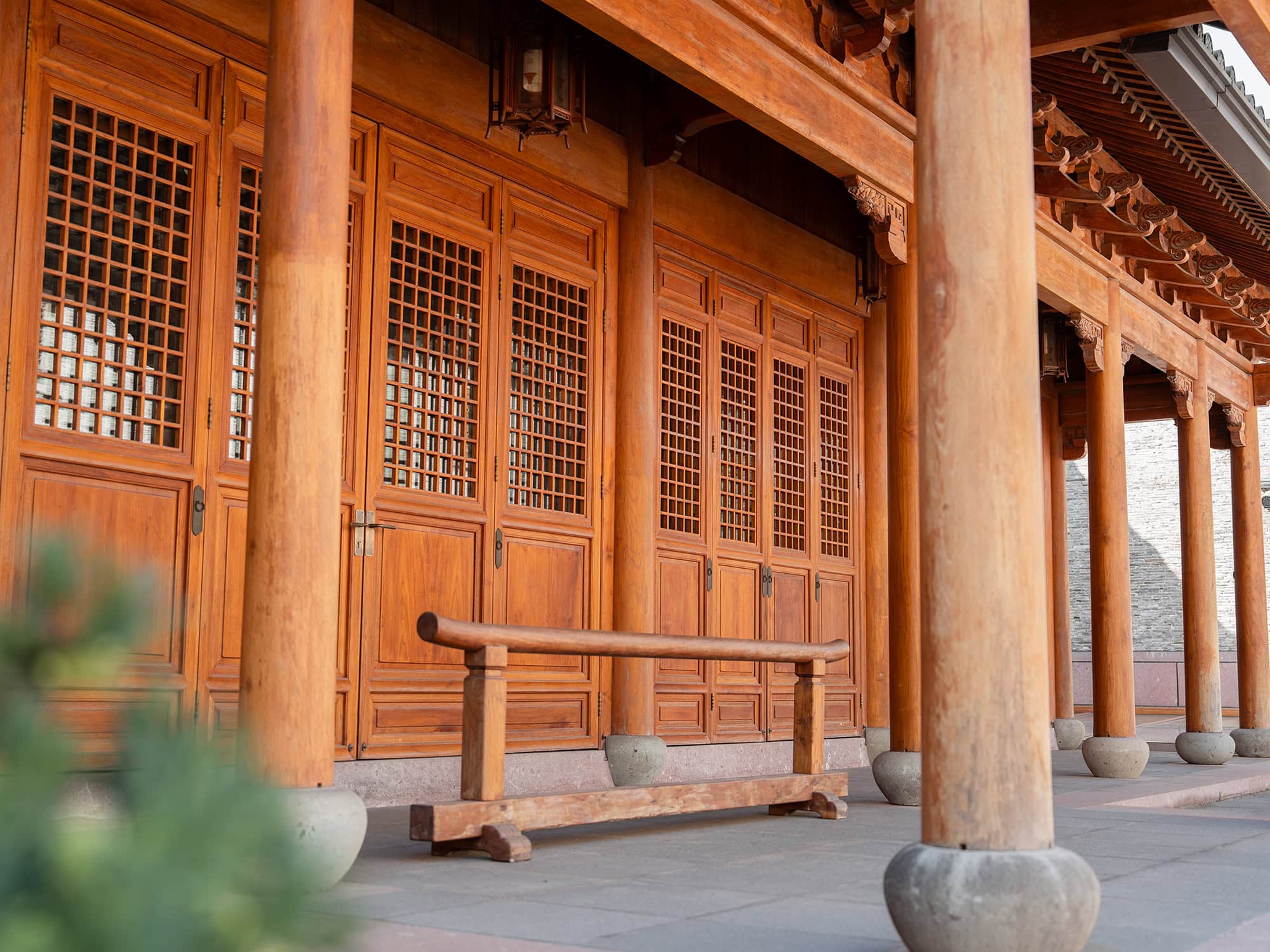
Following traditional Chan (Zen) Buddhist architecture, the temple complex includes seven Buddhist pagodas, the entrance gate, the Hall of Heavenly Kings, the Guanyin Hall (Yuantong Treasure Hall), the Three Saints Hall, bell and drum towers, monks’ quarters, storerooms, the “Cloud Arrival” building, the Great Gratitude Lecture Hall, Qixin Library, and a vegetarian dining hall currently under construction, among other structures.
Primarily dedicated to Guanyin Bodhisattva, the temple houses a sacred statue from Putuo Mountain’s Baotuo Temple, earning it the nickname “Little Putuo.” The forty-eight-armed Guanyin statue (symbolizing a thousand hands and eyes) resides in Yuantong Treasure Hall beneath a plaque reading “Merciful Salvation for the World.” Behind the Guanyin statue stand Manjusri and Samantabhadra Bodhisattvas. The hall’s walls showcase brick-carved images of five hundred arhats dating from 1894, remarkable for their exquisite craftsmanship and lifelike detail.
Beyond Yuantong Hall lies the Three Sages Hall, housing gold-leafed wooden sculptures of Amitabha Buddha, Guanyin, and Mahasthamaprapta. A meaningful couplet adorns the interior: “From all directions they come and go, together fulfilling the universal way; ten thousand give, ten thousand connect, weaving endless ties guided by karma.”
The first hall beyond the entrance gate, the Hall of Heavenly Kings, features four pagodas on its eastern side and three on its western side—giving the temple its name. These recently restored pagodas now reflect their original Qing Dynasty appearance. Inside the hall, the Four Heavenly Kings tower at eight meters tall, their solemn and awe-inspiring presence dominating the space. Between the gate and the Hall of Heavenly Kings stand four flourishing ginkgo trees, which draw visitors during autumn’s golden transformation.
Flanking the central axis, the bell and drum towers rise with upturned eaves and elegantly curved corners. The bell tower’s ground floor houses the Ksitigarbha Bodhisattva Hall, while its upper level holds a massive bronze bell from the Song Dynasty (960–1279 CE), weighing several thousand jin (斤, a traditional Chinese unit where 1 jin ≈ 0.5 kg or 1.1 pounds). The drum tower’s ground floor, meanwhile, features a wooden statue of Guanyin, depicted holding a vase of pure water beneath an intricately carved wooden canopy.
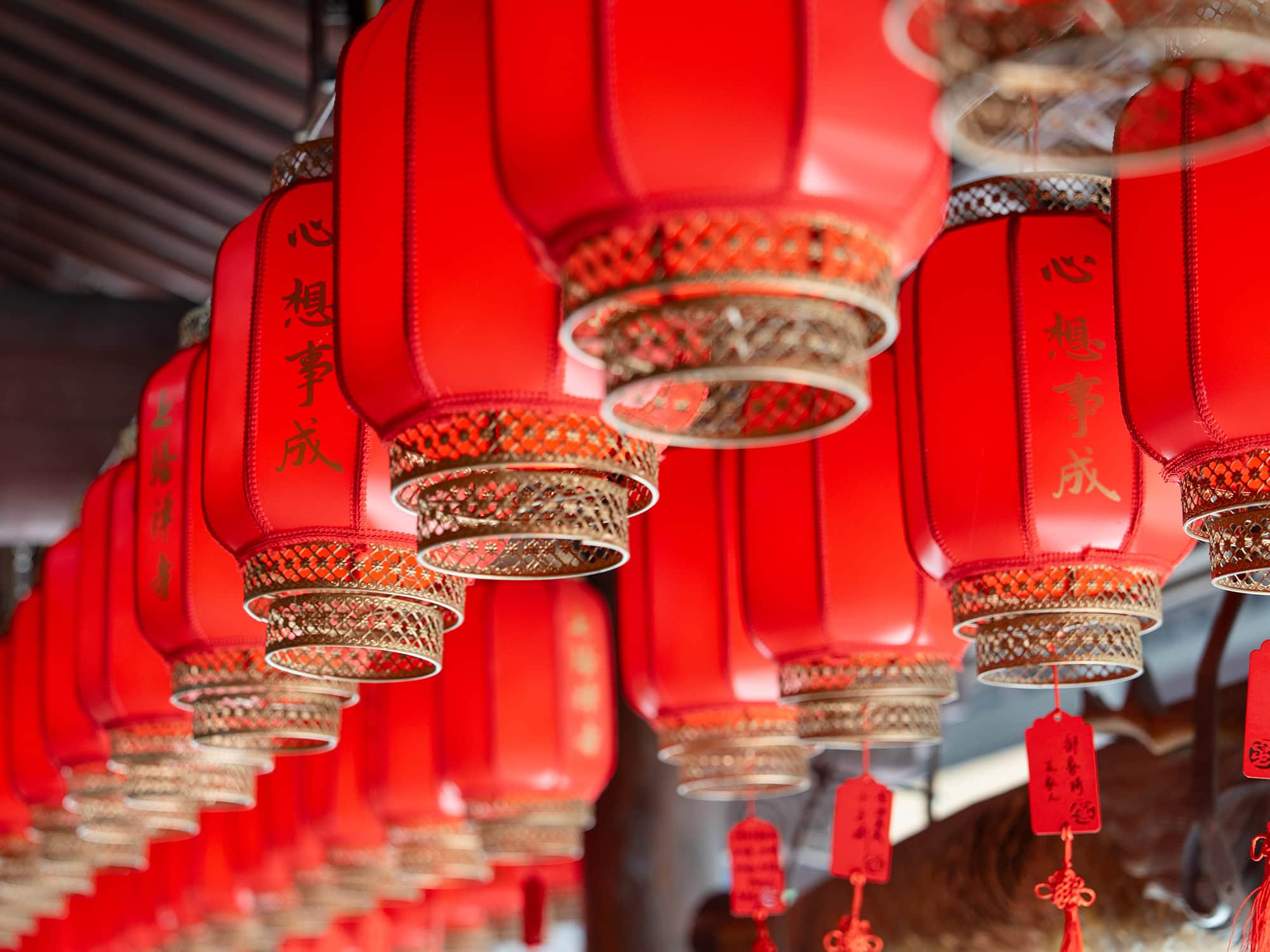
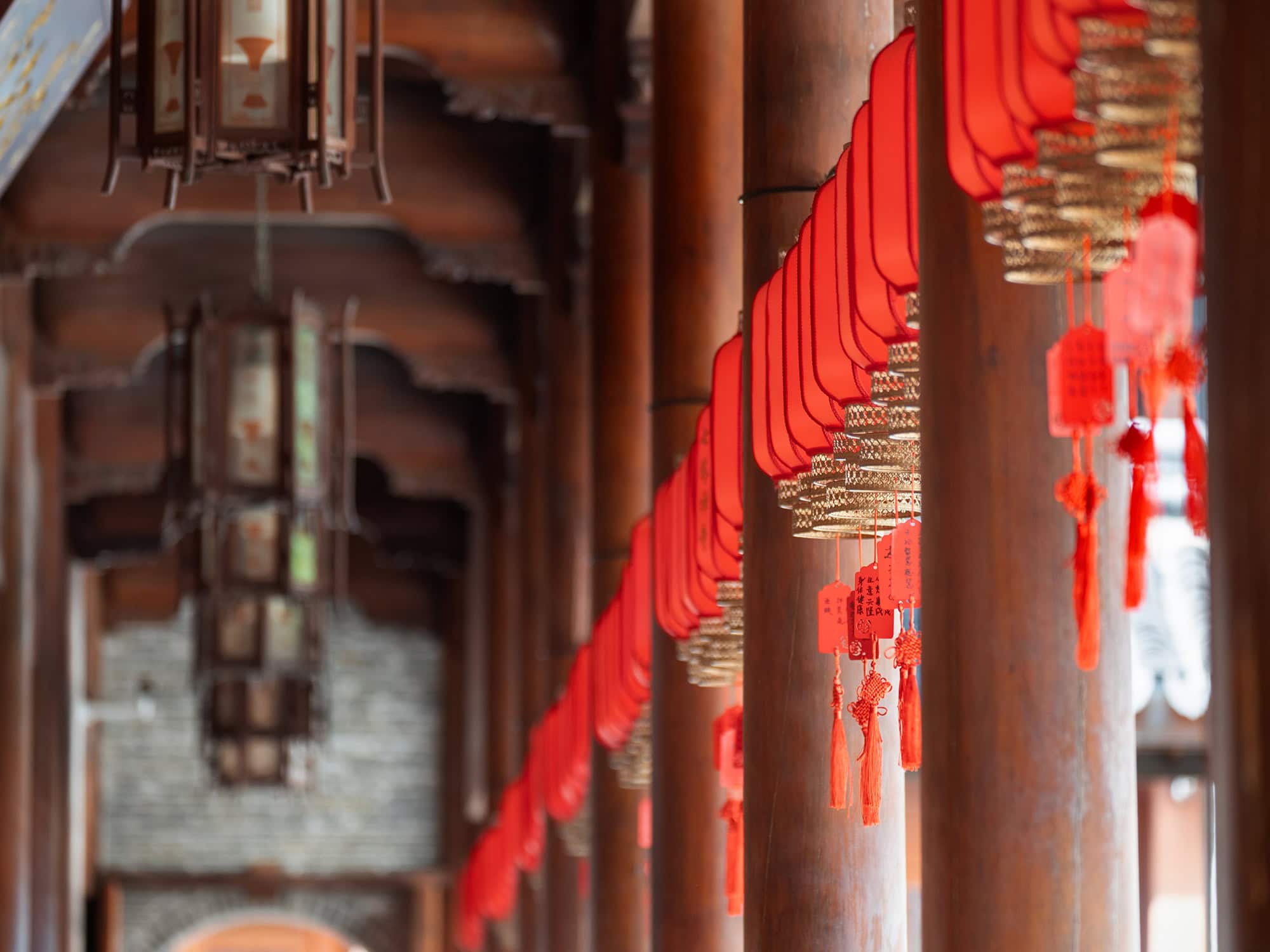
Walking through Qita Temple, you’ll sense the harmony between nature and spirit. The koi thrive in peaceful waters, the air hums with chants, and centuries-old beams hold the quiet wishes of countless visitors. From its prayer-laden hand-washing basin to lanterns bearing wishes for dreams fulfilled, every corner of this Zen Buddhist temple in Ningbo invites reflection and renewal.
We use cookies to optimize your experience, analyze usage, and personalize content. Your continued browsing indicates consent to our cookie usage and the sharing of site interaction data with our marketing and analytics partners.