Travel & Planning for New Destination Released. Free Shipping to Most Countries Around the World.
Free Shipping to Most Countries Around the World.
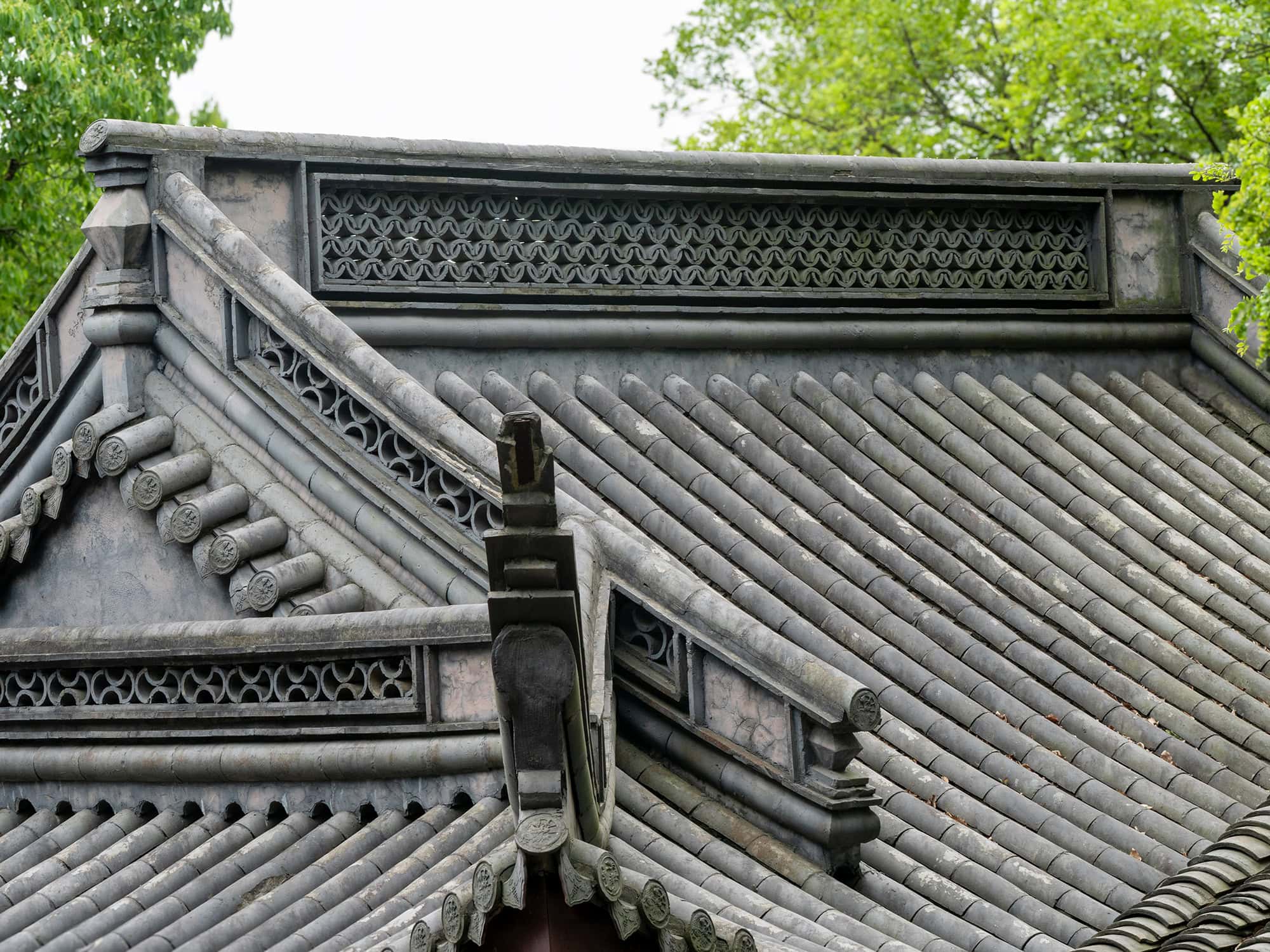
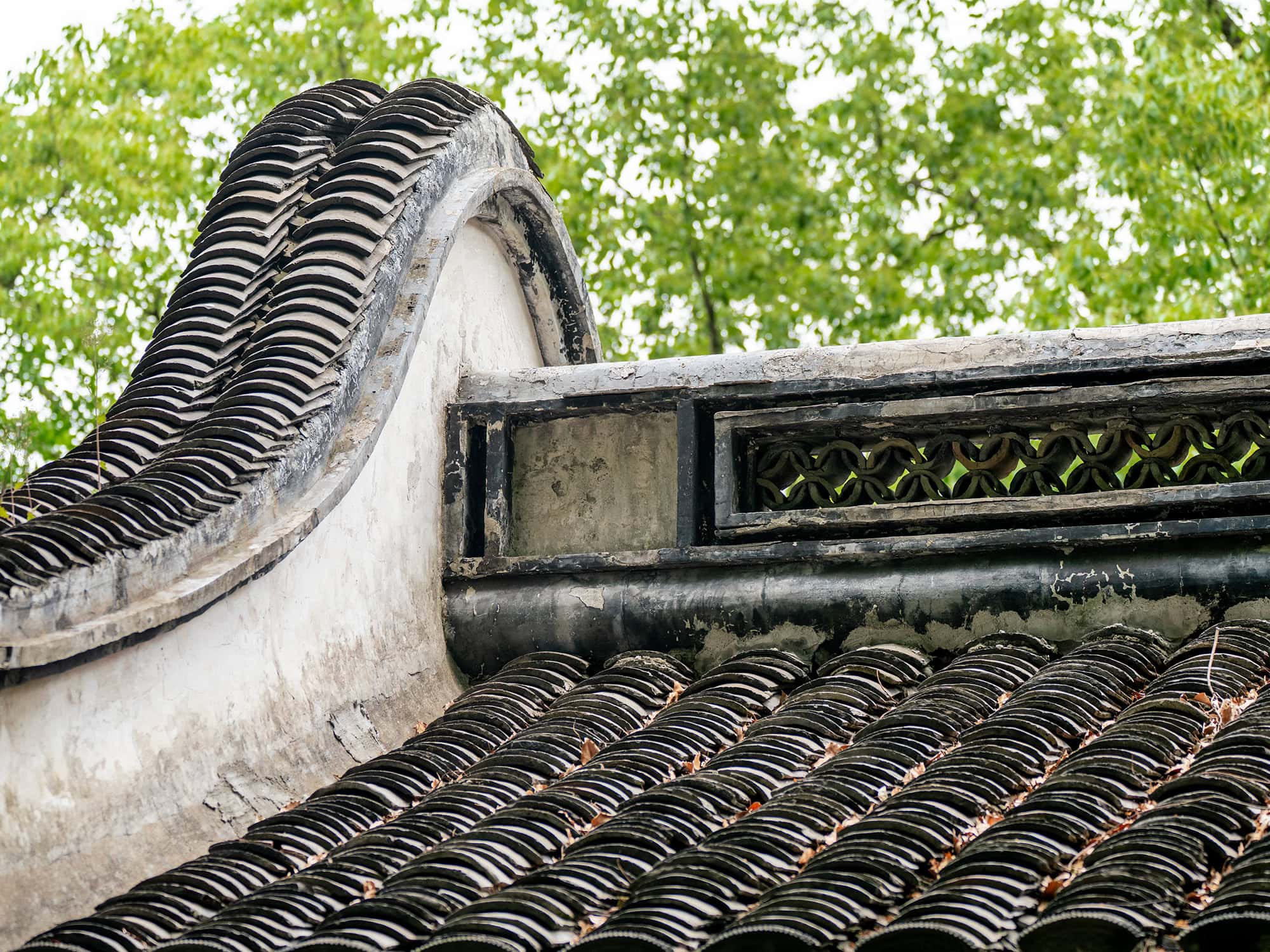
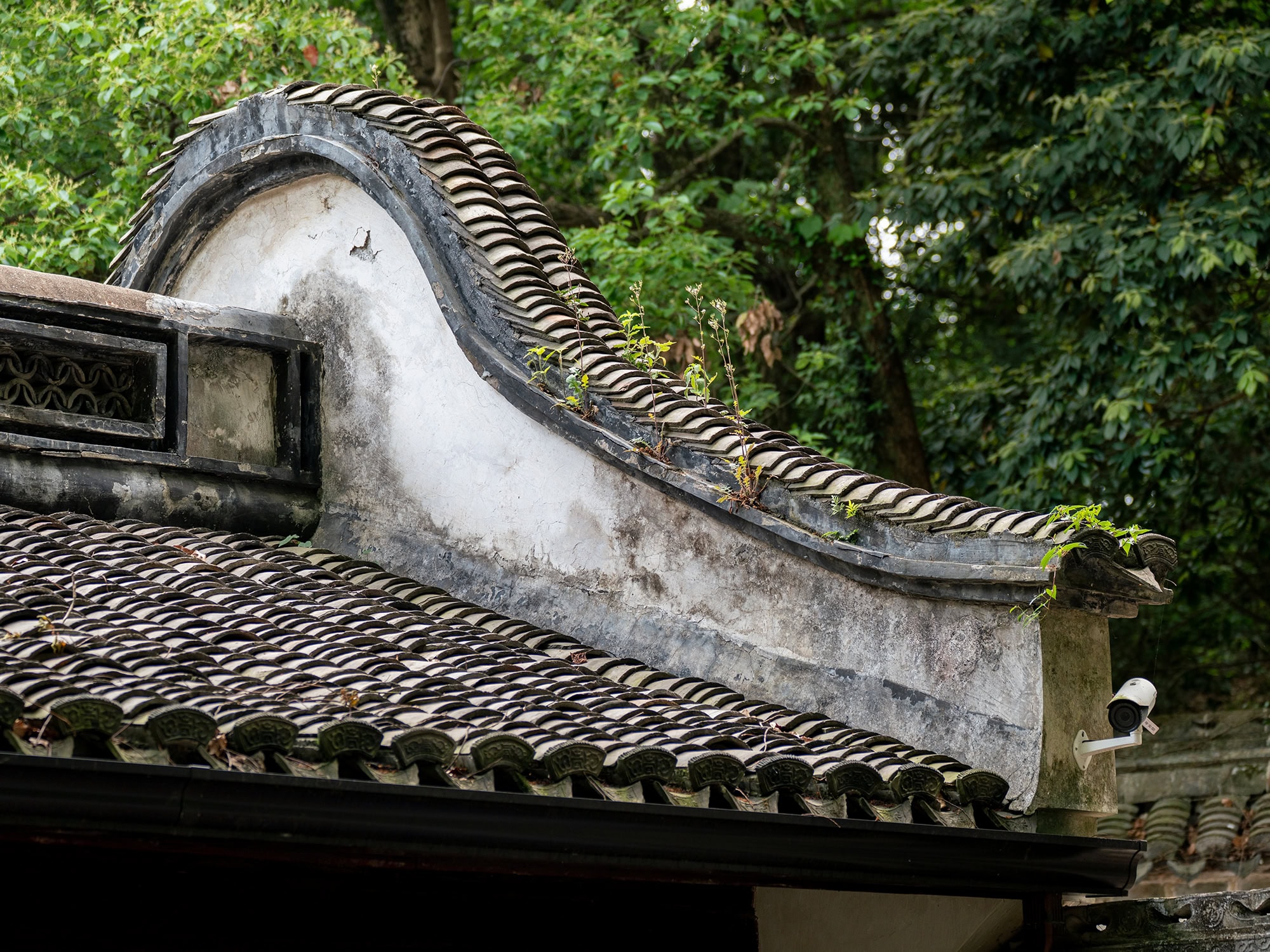
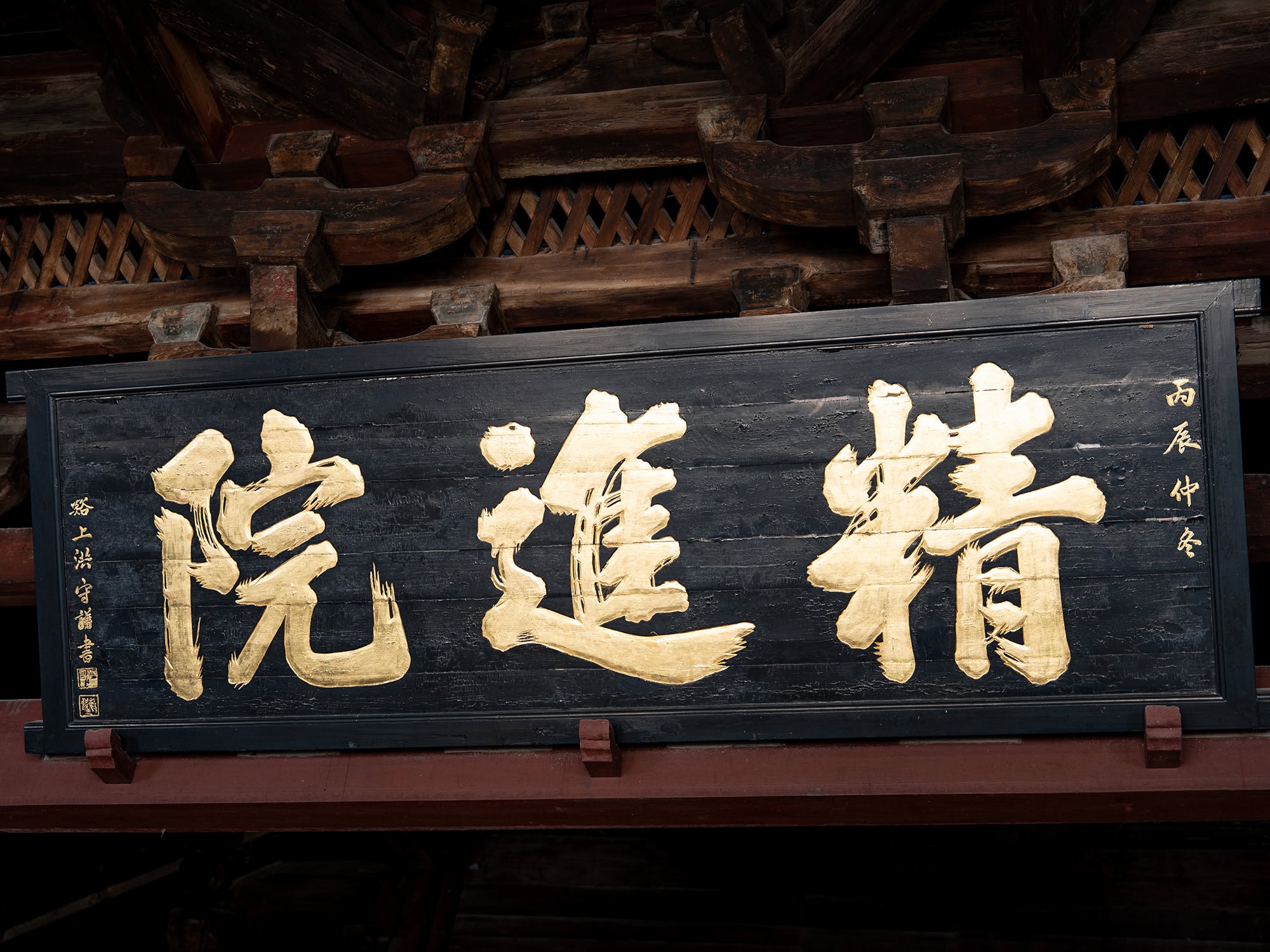
Baoguo Temple was reportedly discovered accidentally in 1954 during a national cultural relics survey by students from Southeast University. They found an inscription bearing the date “Chongning Year 1” (1102 CE), providing initial insights into the temple’s age. Later, a temple stele confirmed its construction in the sixth year of Xiangfu during the Song Dynasty (1103 CE). By 1961, it was designated among the first batch of National Key Cultural Relics Protection Units alongside prestigious landmarks like Beijing’s Forbidden City, the Summer Palace, and Lhasa’s Potala Palace—highlighting the significant cultural value of this small temple nestled in Lingshan in Jiangbei District, Ningbo.
Unique Geographical Position
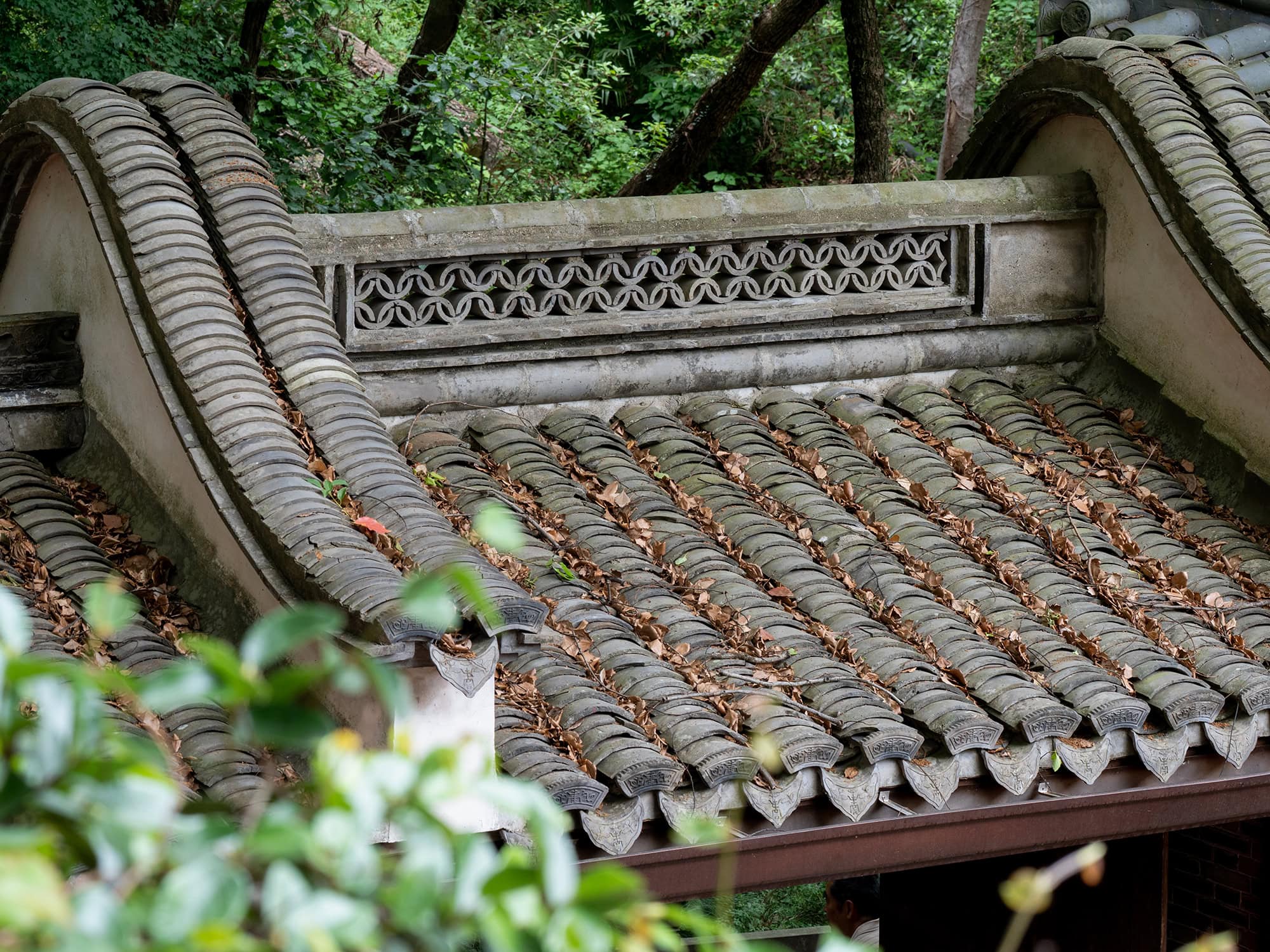
According to historical records, Baoguo Temple was originally named Lingshan Temple before being renamed during the Tang Dynasty. Its location in “Swallow’s Nest” (surrounded by mountains on three sides with only one open face) atop layered hills is exceptional. The main hall features numerous ventilation openings that create special air currents, maintaining good ventilation and relatively dry conditions that have preserved the wooden structures for a millennium. Being built on a mountain, with the main hall requiring a climb from the entrance, has effectively protected it from human-caused damage.
The Grand Hall and Pure Land Pool
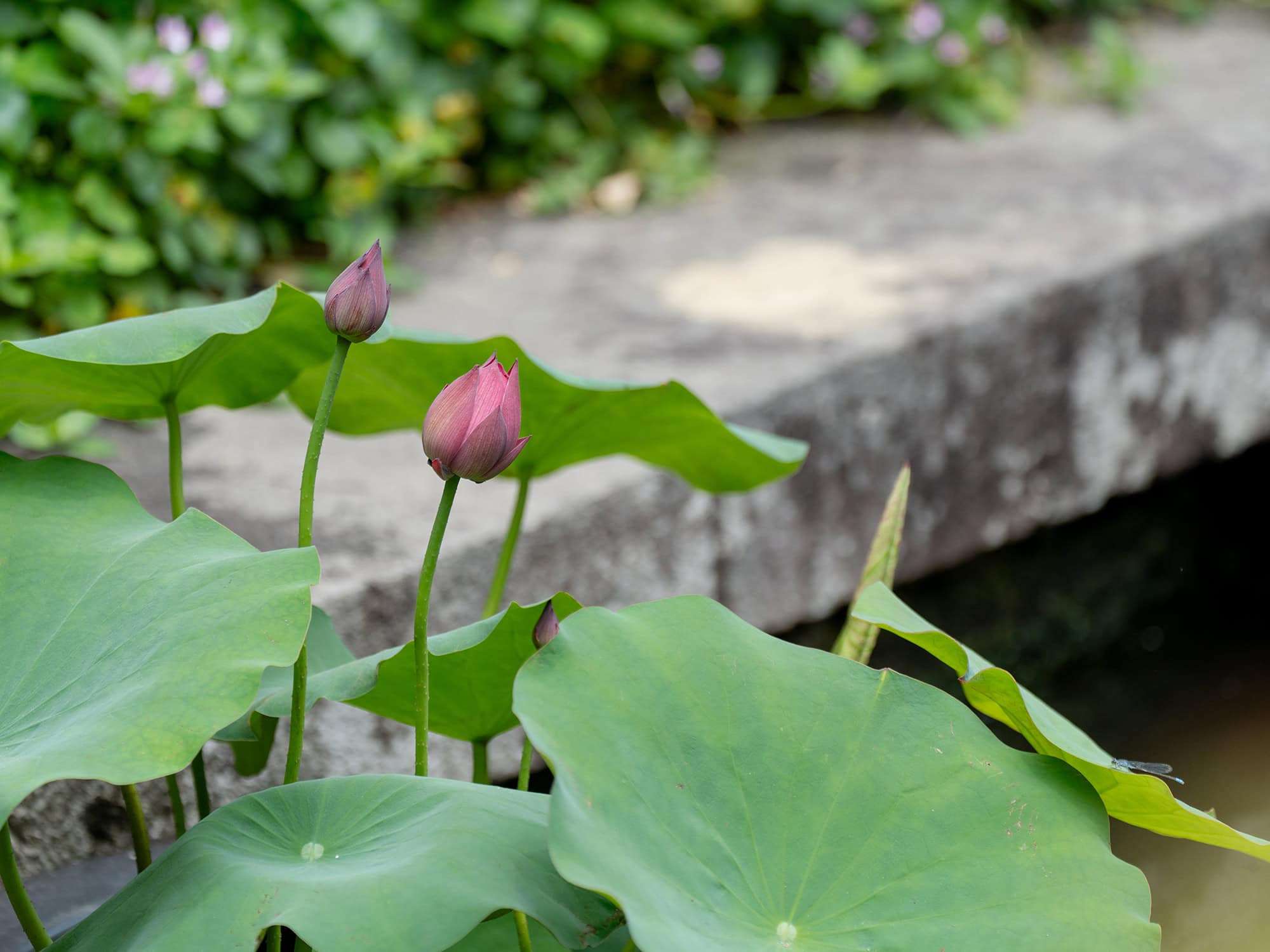
The hall’s bracket system and wooden structure conform to the material standards outlined in the State Building Standards, written by the ancient Chinese author Li Jie during the mid-Song Dynasty. The ceiling worship area features an intricate wooden caisson ceiling constructed entirely with mortise and tenon joints, without the use of nails. The hall’s pillars are multi-sectioned octagonal columns, composed of smaller pieces of wood assembled into larger columns—both material-efficient and durable. Each large pillar consists of four hollow small pillars and four weight-bearing small pillars. The Pure Land Pool sits just outside the hall, aligned with the central axis, and is traditionally planted with four-colored lotus flowers. However, the author observed regular lotus and water lilies during his visit. Other structures along the central axis include the Hall of Heavenly Kings, Guanyin Hall, and the Sutra Library. During the Qing Dynasty, stone railings were added around the pool, with the inscription “一碧涵空” still visible today in blue characters.
Tang Dynasty Sutra Pillars
Dating back to 839 CE, these pillars stand at the entrance displaying “Baoguo Temple” characters, with one on each side. The second pillar was originally located elsewhere. Each consists of a sumeru base, an octagonal body, and a top section. The pillars feature various elements, including lotus flowers, coiled dragons, sutras, and Buddha images, symbolising the importance of accumulating good deeds to remove obstacles and disasters.
The Builder
This ancient temple was constructed under the direction of Venerable Dexian, a highly respected monk of the Song Dynasty and one of the “Ten Disciples of South Lake”—a title honoring monks of exceptional virtue and cultivation. In 2007, Baoguo Temple began comprehensive collaboration with Tongji University scholars to monitor and protect the temple through long-term observation of moisture content, temperature, humidity, vibration, and settlement patterns.
We use cookies to optimize your experience, analyze usage, and personalize content. Your continued browsing indicates consent to our cookie usage and the sharing of site interaction data with our marketing and analytics partners.