Travel & Planning for New Destination Released. Free Shipping to Most Countries Around the World.
Free Shipping to Most Countries Around the World.
Today we continue where the previous visit left off—exploring more of the sculptures nestled within the Ny Carlsberg Glyptotek.
Before diving in, a small practical note for anyone unfamiliar with the usual routines of European museums: the very first steps are always to purchase a ticket and check your bags. Most cloakroom lockers require you to insert a small coin deposit-£1, €1, or 20 Danish kroner-to release the key. Conveniently, on the basement level of the Glyptotek there’s a card payment machine where you can easily get a 20‑DKK token if you don’t have coins on hand.
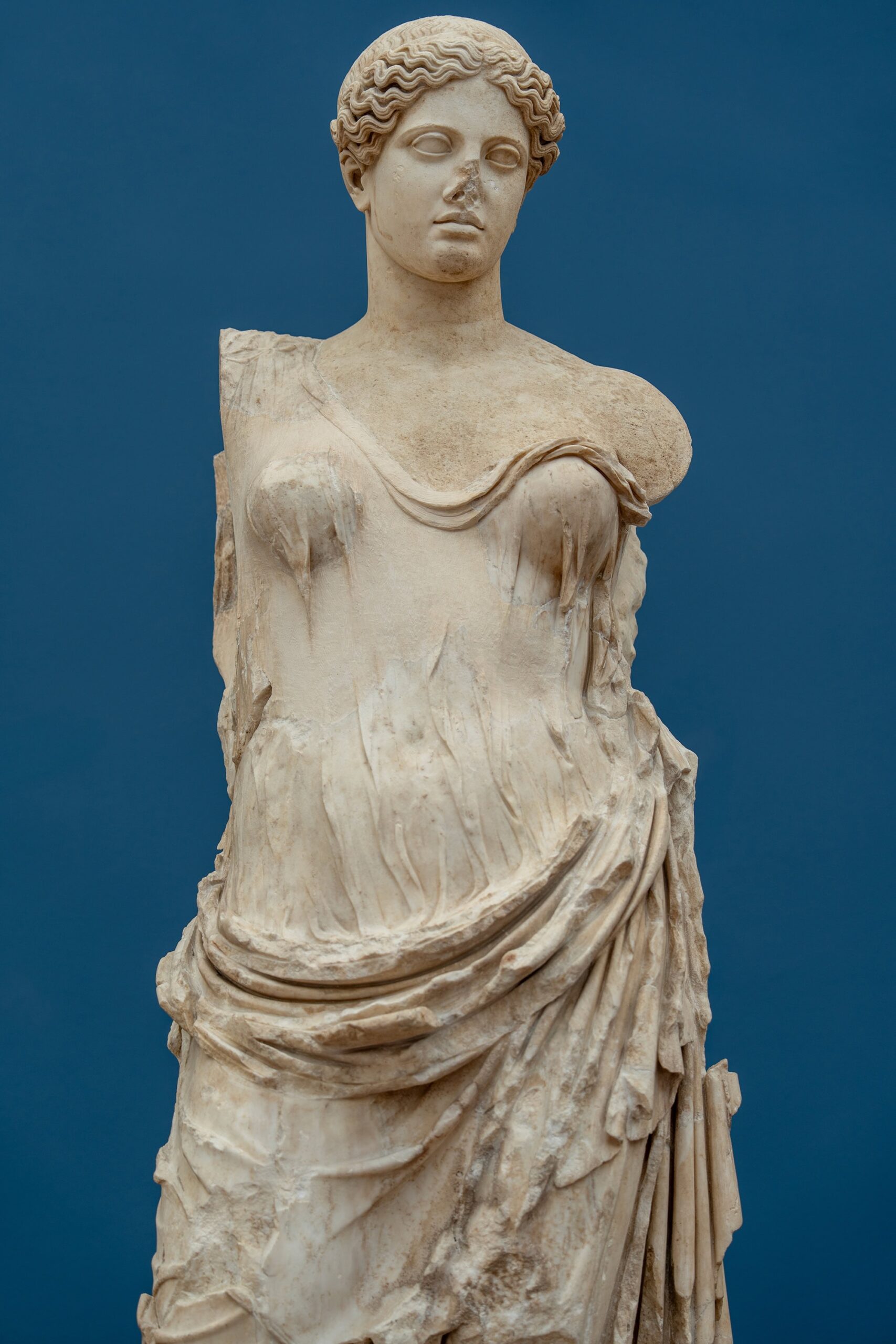
The statue on the cover originates from a Roman discovery of Aphrodite, also known as the Hera Borghese type-a sculptural tradition inspired by the goddess Hera, wife of Zeus. In 1976, a restoration prompted scholars to question this identification, proposing instead that the figure represents Aphrodite (Venus) rather than Hera.
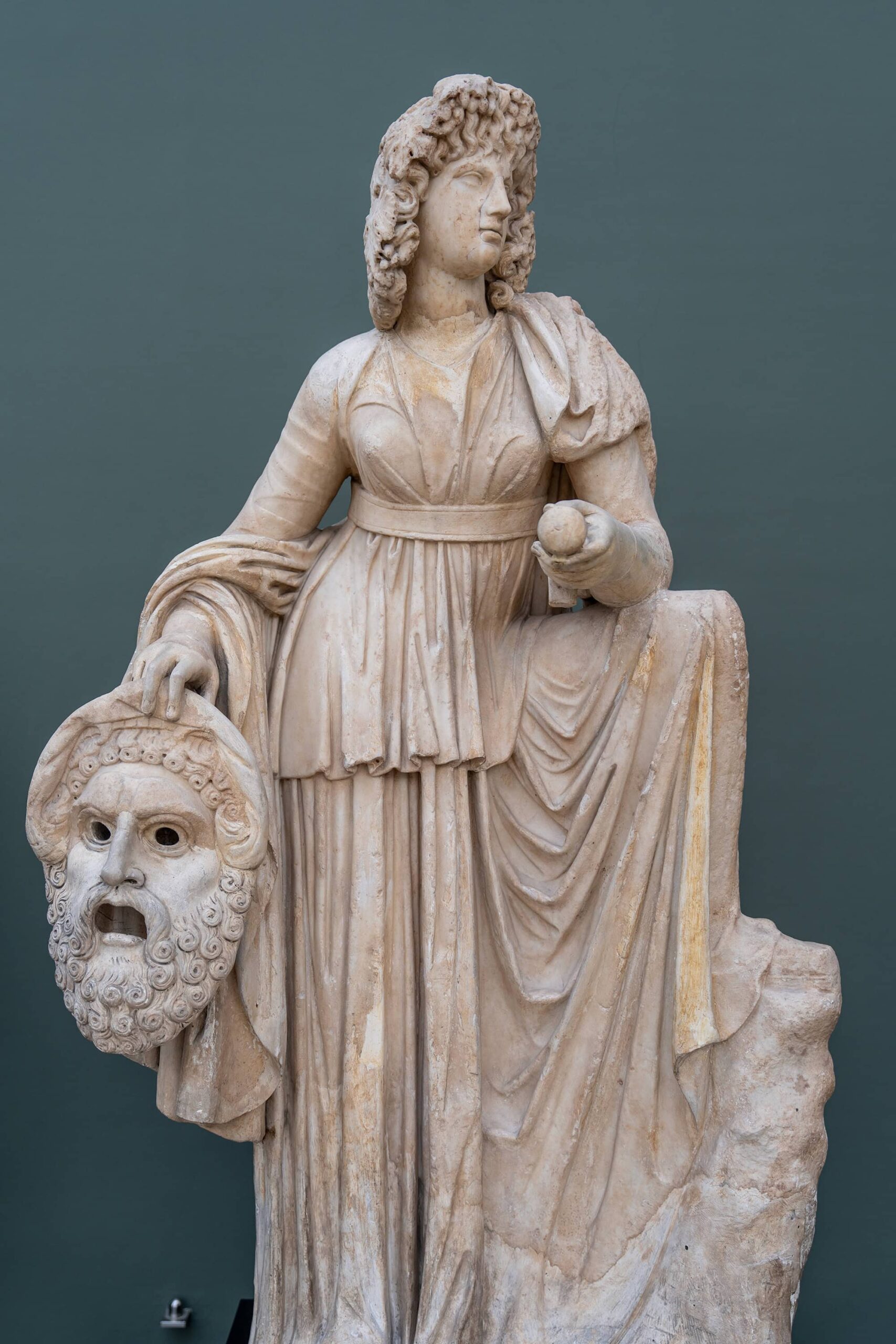
Nearby stands another powerful image: Melpomene, one of the nine Muses of Greek mythology and the patron of tragic art. She holds a tragic mask in one hand and wears a crown of grapevines and blossoms-symbols of both divine inspiration and the fleeting beauty of drama.
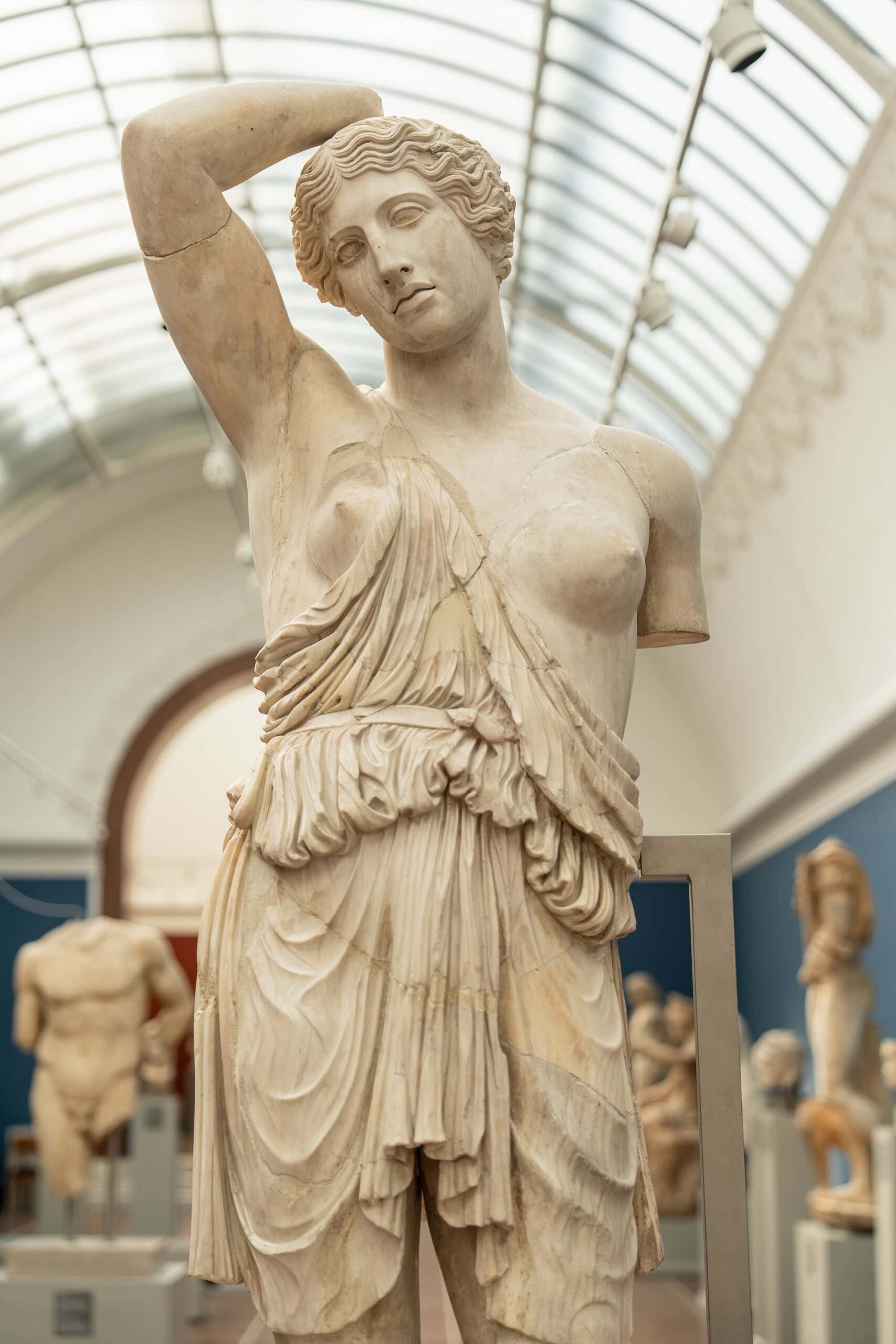
The sculpture of the Wounded Amazon, a Roman copy of a lost Greek original, depicts a warrior woman with a sword wound beneath her right arm, from which blood seems to gently flow. According to legend, Greek sculptors once competed to create the most beautiful portrayal of a wounded Amazon-the essence of grace in sorrow.
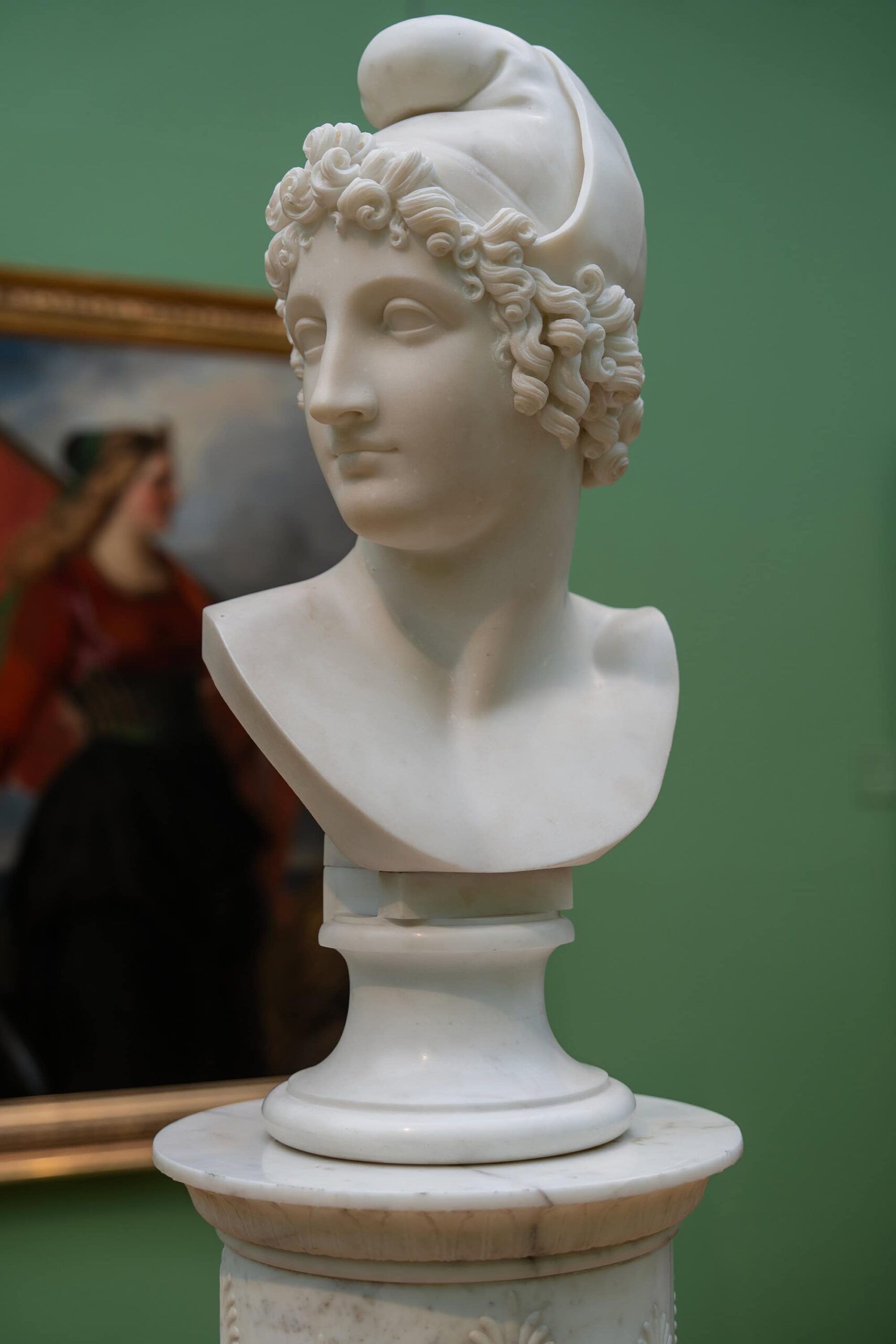
A rather youthful figure that appears in many museums is Antonio Canova’s Bust of Paris. The Italian master captures the mythical moment when the shepherd Paris, charged by Zeus, must judge which of the three goddesses-Hera, Athena, or Aphrodite-is the fairest. The sculpture freezes Paris in quiet contemplation, blending the purity of geometric form with the tenderness of human expression.
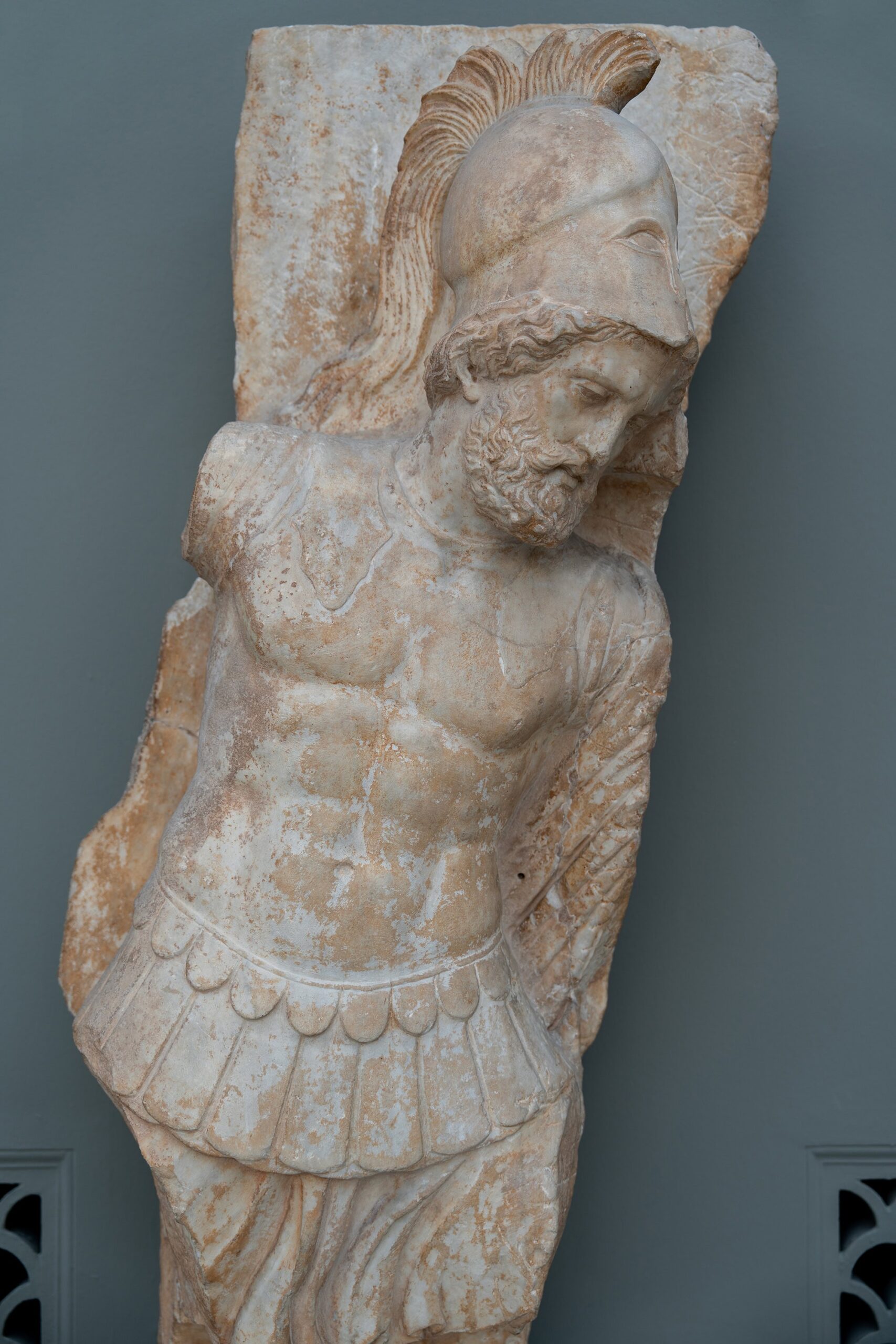
Another solemn piece, the Grave Relief for a Soldier, unearthed in Athens, depicts a man leaning on his spear, his posture one of contemplation or remembrance. From its composition and direction, scholars infer that this relief once formed part of a larger funerary monument-an architectural homage to both heroism and mortality.
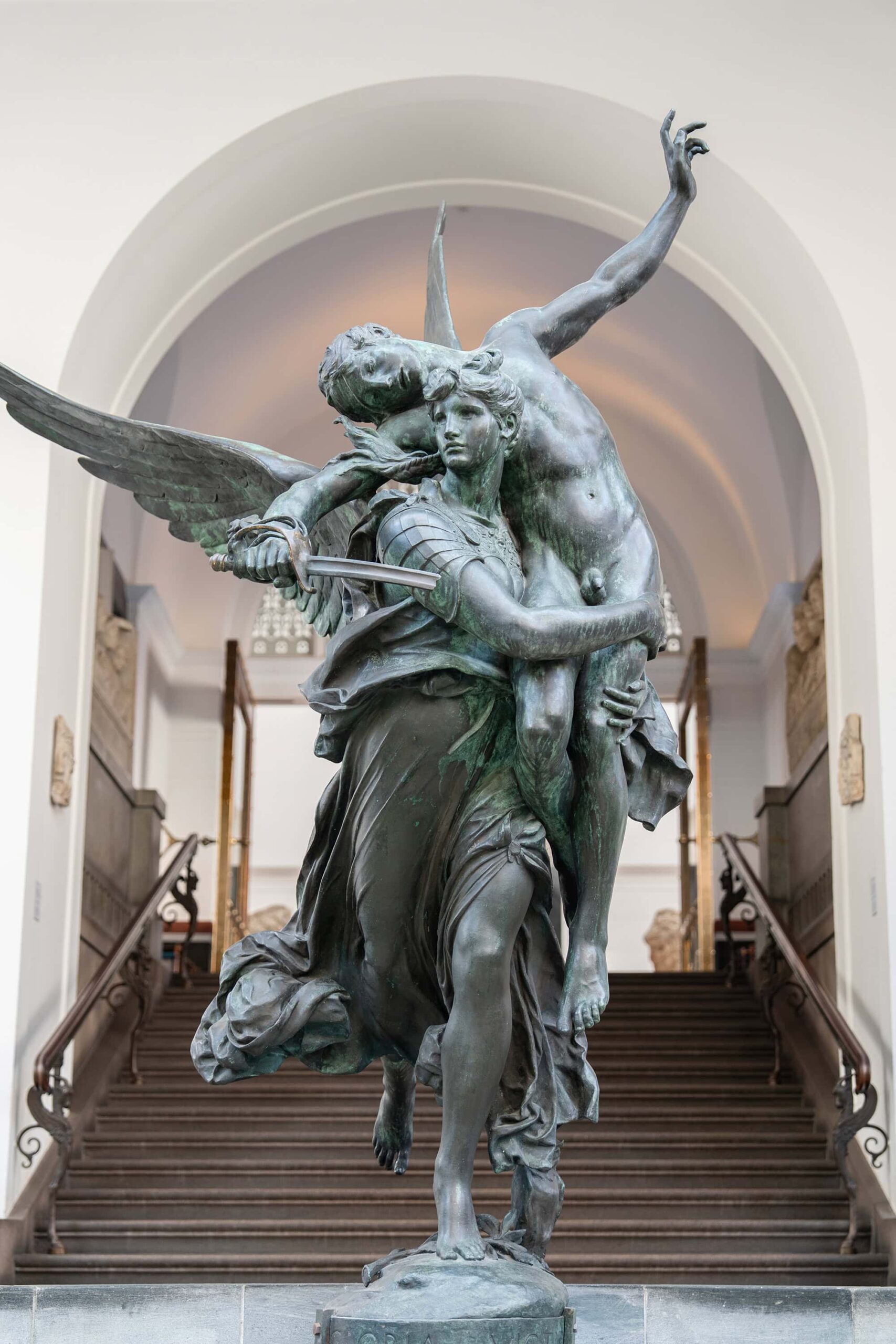
At the heart of the museum’s Winter Garden stands the work that its founder himself chose as a centerpiece: Gloria Victis (“Glory to the Vanquished”) by the French sculptor Antonin Mercié. The bronze group portrays a winged female figure carrying the lifeless body of a fallen soldier. In the soldier’s right hand rests a broken sword, symbol of defeat; yet his left arm, raised defiantly in a final gesture of triumph, transforms his fall into transcendence. Here, the upward motion no longer suggests resignation but ascension-of spirit rather than flesh.
In Mercié’s vision, the vanquished is not forgotten; the warrior is borne heavenward by Fama, the goddess of renown, his sacrifice translated into eternal glory. The sculpture radiates both grief and exaltation-an elegy cast in bronze, where the soul of the defeated rises toward a quiet, resolute victory.
We use cookies to optimize your experience, analyze usage, and personalize content. Your continued browsing indicates consent to our cookie usage and the sharing of site interaction data with our marketing and analytics partners.